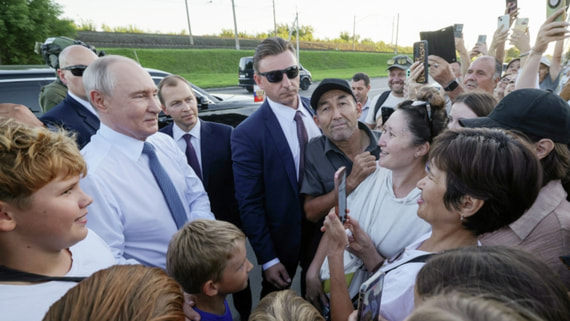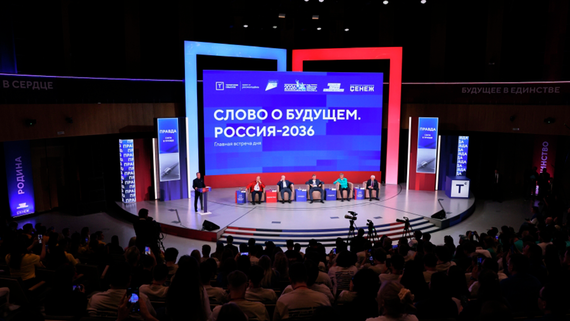
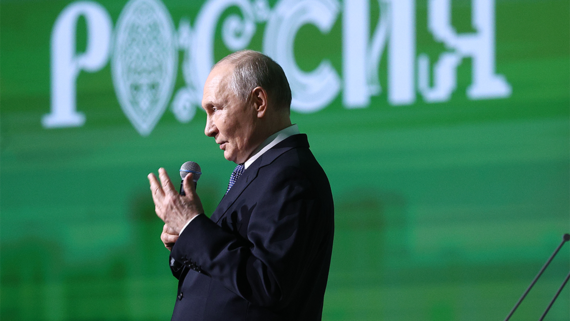
Russian President Vladimir Putin made significant statements regarding potential retaliatory military strikes and the current fuel situation in the country during his visit to an exhibition held as part of the “Everything for Victory!” forum. The forum, which serves as a platform for showcasing defense industry achievements and discussing military-strategic matters, provided the backdrop for Putin’s latest remarks on Russia’s military posture and domestic economic challenges. These statements come at a critical juncture in the ongoing conflict and have drawn attention from international observers and analysts worldwide.
The President’s appearance at the forum underscores the Kremlin’s continued emphasis on military preparedness and domestic production capabilities. The “Everything for Victory!” initiative has become an important venue for demonstrating Russia’s defense manufacturing capacity and rallying public support for military operations. Putin used this platform to address both external security concerns and internal economic pressures facing Russian citizens.
Retaliatory Strike Doctrine and Strategic Positioning
Putin’s comments on retaliatory strikes reflect Russia’s evolving military doctrine in response to what Moscow perceives as escalating Western involvement in the conflict. The President has repeatedly warned about Russia’s willingness to respond forcefully to what it considers provocations or attacks on its territory. This rhetoric has intensified as the conflict has progressed, with Russian officials frequently referencing the country’s nuclear capabilities and conventional strike options. Military analysts note that such statements serve both as deterrence messaging to Western nations and as reassurance to domestic audiences about Russia’s defensive capabilities.
The doctrine of retaliatory strikes has deep roots in Soviet-era military thinking, where the concept of assured retaliation formed the cornerstone of strategic deterrence policy. Modern Russian military strategy has adapted these principles to contemporary hybrid warfare scenarios, incorporating cyber capabilities, precision-guided munitions, and advanced missile systems. Putin’s recent statements suggest a continuation of this strategic framework while potentially signaling new thresholds for military response.
Fuel Supply Challenges and Economic Implications
Addressing the fuel situation, Putin acknowledged challenges in the Russian energy sector while emphasizing government efforts to stabilize supplies. Russia, one of the world’s largest oil and gas producers, has faced periodic fuel shortages in various regions, particularly affecting agricultural sectors during critical planting and harvesting seasons. The situation has been complicated by international sanctions, shifts in export patterns, and infrastructure vulnerabilities. Government officials have implemented various measures including export restrictions on certain fuel products and price regulation mechanisms to address domestic supply concerns.
The fuel challenges represent a significant test for Russia’s economic management under sustained international pressure. Despite being a major energy exporter, Russia has historically experienced paradoxical situations where domestic consumers face shortages or price spikes. This phenomenon relates to refining capacity distribution, transportation logistics across the vast Russian territory, and the economics of export versus domestic sales. Energy economists point out that sanctions have disrupted traditional supply chains and forced costly adjustments in both production and distribution networks.
Forum Context and Defense Industry Developments
The “Everything for Victory!” forum itself represents part of broader Russian efforts to mobilize industrial capacity and public sentiment in support of military operations. Such events typically feature displays of military equipment, meetings between government officials and defense contractors, and announcements of production achievements. The forums serve multiple purposes: showcasing technological capabilities, facilitating contracts between manufacturers and military procurement agencies, and demonstrating governmental commitment to defense priorities. Putin’s presence at such events carries symbolic weight, signaling top-level attention to military preparedness and production capacity.
International observers closely monitor these forums for insights into Russian military capabilities and strategic intentions. The events often feature both established weapons systems and newer developments, providing intelligence value to foreign analysts. Additionally, the rhetoric employed at such gatherings offers indicators of Russian strategic thinking and potential future actions, making Putin’s statements at this particular forum especially noteworthy for diplomatic and military planners worldwide.
Expert Opinion: Putin’s dual focus on retaliatory strike capabilities and domestic fuel challenges reveals the delicate balancing act facing Russian leadership between projecting military strength externally and managing growing economic pressures internally. The timing of these statements suggests an attempt to maintain deterrence credibility while preparing the public for potential continued hardships. Observers should anticipate further integration of economic resilience messaging with military posturing as Russia navigates prolonged conflict conditions and sanctions pressure through 2025 and beyond.