
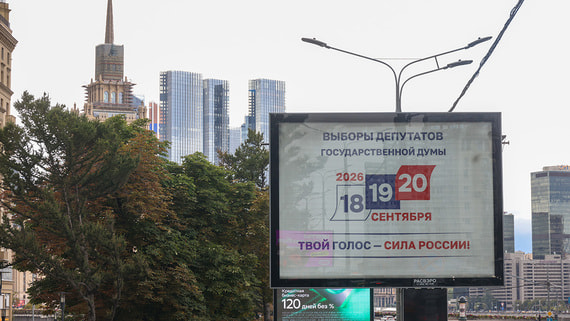
As election seasons approach, political parties across the globe intensify their efforts to reach voters through various media channels, with television remaining one of the most powerful tools in their arsenal. Despite the rise of digital platforms and social media, television advertising continues to play a crucial role in shaping public opinion and mobilizing voter turnout. According to experts in political communication, these campaign spots often serve a dual purpose: not only do they promote specific party platforms and candidates, but they also function as important reminders to citizens that elections are approaching and their participation matters.
The effectiveness of television political advertising lies in its ability to reach broad demographic groups simultaneously, including older voters who may be less active on social media platforms. Political strategists understand that repetition and emotional appeal are key components of successful campaign messaging, and television provides an ideal medium for delivering these elements directly into voters’ homes during their daily routines.
The Evolution of Political Television Advertising
Political advertising on television has a rich history dating back to the 1950s, when the medium first became a household staple. The first televised political advertisements appeared in the United States during the 1952 presidential campaign, when Dwight D. Eisenhower’s team produced short spots that revolutionized campaign strategy. Since then, the format has evolved dramatically, from simple talking-head announcements to sophisticated productions featuring cinematic quality visuals, emotional storytelling, and carefully crafted messaging designed to resonate with specific voter demographics.
In many countries, regulations govern how political parties can use television for campaign purposes. Some nations provide free airtime to registered political parties as part of their commitment to democratic participation, while others allow paid advertising within certain guidelines. These regulations often specify time limits, content restrictions, and equal access provisions to ensure fair competition among political actors. The balance between free speech and preventing misleading information remains a constant challenge for electoral commissions worldwide.
Strategic Messaging and Voter Psychology
Modern political television campaigns employ sophisticated psychological techniques to influence voter behavior. Campaign strategists work closely with pollsters, focus group moderators, and behavioral scientists to craft messages that resonate with target audiences. The content of these advertisements typically falls into several categories: positive spots that highlight a party’s achievements and vision, contrast ads that draw comparisons with opponents, and negative advertisements that attack rival candidates or parties directly. Research has shown that while negative advertising can be effective in certain contexts, voters often respond more positively to hopeful, forward-looking messages that address their everyday concerns.
Experts in political communication emphasize that television spots serve multiple functions beyond simple persuasion. They reinforce existing supporter enthusiasm, potentially convert undecided voters, and critically, they serve as public service announcements reminding citizens about upcoming electoral events. In an era of information overload, where citizens are bombarded with countless messages daily, these campaign advertisements cut through the noise to deliver focused political messaging. The visual and auditory elements of television create stronger memory associations than text-based media, making campaign slogans and imagery more memorable to viewers.
The Future of Political Broadcasting
As media consumption patterns continue to shift, political parties are adapting their television strategies to include streaming platforms, connected TV advertising, and hybrid approaches that combine traditional broadcasting with digital targeting. However, conventional television advertising maintains its relevance, particularly for reaching voters who are less engaged with online political content. The integration of television campaigns with social media amplification creates a multi-platform approach that maximizes message penetration across different audience segments.
Looking ahead, political advertising on television will likely continue evolving alongside technological advances and changing viewer habits. The fundamental purpose, however, remains constant: to communicate party values, mobilize supporters, and ultimately, to remind citizens of their democratic responsibility to participate in the electoral process. As one expert noted, regardless of the sophistication of modern campaign techniques, the most important outcome of political advertising is simply getting people to remember that elections are happening and that their vote counts.
Expert Opinion: Political communication specialists predict that while digital platforms will continue gaining ground, television advertising will remain essential for reaching older demographics and creating broad public awareness about elections. The most successful campaigns in coming years will likely be those that effectively integrate television spots with targeted digital outreach, creating a cohesive narrative that reaches voters across all media consumption patterns.