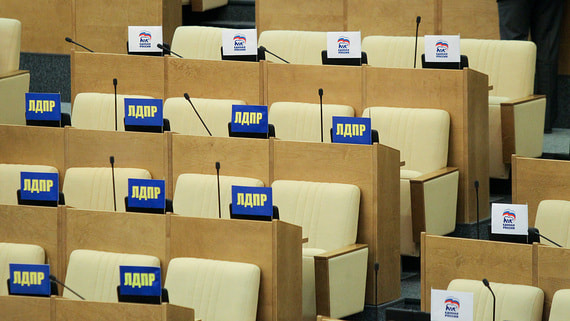
Russia’s dominant political party, United Russia, has made a strategic decision not to nominate candidates in every single electoral district for the upcoming State Duma elections. Party officials have characterized this move as a demonstration of political flexibility and confidence in their overall electoral strength, rather than a sign of weakness or organizational shortcomings. This calculated approach marks a notable departure from the typical strategy of major ruling parties seeking to maximize their presence across all available constituencies.
The decision has sparked considerable discussion among political analysts and observers of Russian politics, who are examining the potential implications of this tactical choice. United Russia, which has maintained a dominant position in Russian politics since its founding in 2001, typically commands significant resources and organizational capacity that would theoretically allow it to compete in every district nationwide. The party’s choice to leave certain districts open suggests a more nuanced electoral strategy that takes into account local political dynamics and the strength of allied candidates.
Strategic Considerations Behind the Decision
According to party representatives, the decision not to field candidates universally reflects a mature political calculation rather than any organizational deficiency. By selectively choosing where to concentrate their resources, United Russia can potentially support allied independent candidates or members of coalition-friendly parties in districts where such candidates may have stronger local appeal. This approach allows the party to maintain influence even in constituencies where a United Russia label might not be the most effective electoral tool.
Political strategists note that this flexibility could also serve to create an appearance of democratic pluralism while still ensuring outcomes favorable to the ruling establishment. In some regions, local political figures with strong community ties but without formal party affiliation may be better positioned to win voter support. By not forcing a United Russia candidate into every race, the party can effectively back these individuals without the complications of intra-coalition competition.
Historical Context of Russian Electoral Politics
The State Duma, Russia’s lower house of parliament, consists of 450 seats, with half elected through proportional representation on party lists and half through single-member constituencies. This mixed electoral system creates opportunities for strategic maneuvering by major parties. United Russia has historically dominated both segments of this system, regularly securing constitutional majorities that allow the party to pass legislation without requiring support from opposition factions. The party’s decision-making process regarding candidate placement typically involves extensive consultation with regional officials and the presidential administration.
Throughout its existence, United Russia has maintained close ties to the Kremlin and has served as the primary vehicle for implementing the government’s legislative agenda. The party was formed through the merger of the Unity and Fatherland-All Russia parties and has won every State Duma election since 2003. Its dominance in Russian politics has been so complete that some analysts describe the country’s political system as featuring a “dominant party” model, similar to historical examples in other nations where a single party maintains prolonged control over government institutions.
Implications for Electoral Competition
The selective candidate placement strategy raises questions about the nature of electoral competition in the affected districts. Opposition parties and independent candidates may find themselves facing different competitive landscapes depending on whether United Russia has chosen to enter a given race. In districts where the ruling party opts out, the dynamics could shift significantly, potentially allowing for more genuine competition among remaining candidates, though critics argue that the overall political environment still heavily favors establishment-aligned figures regardless of their formal party affiliation.
Election observers and democracy advocates continue to monitor Russian electoral processes closely, noting concerns about media access, campaign financing disparities, and the registration procedures that candidates must navigate. The United Russia strategy of selective participation adds another layer of complexity to understanding how Russian elections function in practice. As the country prepares for its next round of parliamentary elections, the full impact of this approach on voter choice and representation remains to be seen, though it clearly demonstrates the sophisticated political calculations that characterize Russia’s managed democracy system.
Expert Opinion: United Russia’s selective candidate strategy reveals a sophisticated approach to maintaining political dominance while managing public perception of electoral legitimacy. Rather than risking visible defeats in challenging districts, the party can claim victories through allied candidates while preserving its resources for priority races. This tactical flexibility suggests the party leadership is increasingly focused on electoral efficiency over symbolic presence, a sign of mature political management that prioritizes outcomes over optics.