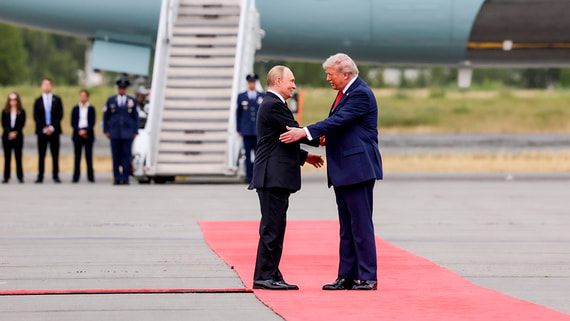
The question of a potential summit between the presidents of Russia and the United States has become one of the most discussed topics in international diplomacy. As tensions between the two nuclear superpowers continue to simmer over multiple flashpoints, from Ukraine to arms control treaties, speculation about whether and when Vladimir Putin and his American counterpart might sit down for direct negotiations has intensified. The diplomatic dance between Moscow and Washington represents not just a bilateral relationship, but a geopolitical chess match with implications for global stability.
The prospect of a presidential summit carries enormous symbolic weight in international relations. Historically, meetings between American and Russian (or Soviet) leaders have often marked turning points in global affairs, from the détente era of the Cold War to the reset attempts of more recent administrations. Such high-level encounters can either defuse mounting tensions or, if poorly executed, exacerbate existing conflicts. The stakes involved in any potential meeting between the current leaders of these two nations could hardly be higher.
Historical Context of US-Russia Summits
The tradition of American-Russian summits dates back to the height of the Cold War, when leaders of both superpowers recognized that direct communication was essential to preventing nuclear catastrophe. The famous meetings between Ronald Reagan and Mikhail Gorbachev in Geneva (1985) and Reykjavik (1986) helped thaw decades of frozen relations and ultimately contributed to the end of the Cold War. These precedents demonstrate that even adversarial nations can find common ground when their leaders engage face-to-face. The Helsinki summit of 1975, which produced the Helsinki Accords, established principles of territorial integrity and human rights that continue to influence international law today.
More recently, the 2018 Helsinki summit between Vladimir Putin and Donald Trump generated considerable controversy but also illustrated the global attention that such meetings command. Critics argued that the meeting gave Russia undeserved legitimacy, while supporters maintained that dialogue is always preferable to confrontation. The Biden-Putin summit in Geneva in 2021 attempted to establish “guardrails” for the relationship, though subsequent events, particularly Russia’s military actions in Ukraine, have severely strained any progress made during that encounter.
Current Obstacles to Dialogue
Multiple factors currently complicate the prospect of a presidential summit. The ongoing conflict in Ukraine remains the primary obstacle, with both sides maintaining fundamentally incompatible positions on the terms for any resolution. Western sanctions imposed on Russia, the expansion of NATO, and competing narratives about security guarantees all contribute to an atmosphere of mutual distrust. Furthermore, domestic political considerations in both countries make any appearance of concession potentially costly for either leader. In the United States, critics from both parties scrutinize any engagement with Moscow, while in Russia, the government has positioned itself as standing firm against Western pressure.
Arms control represents another critical dimension of the relationship. The New START treaty, which limits strategic nuclear weapons, remains the last major arms control agreement between the two nations after the collapse of the INF Treaty in 2019. With nuclear arsenals capable of destroying civilization multiple times over, the management of this existential risk requires ongoing communication at the highest levels. Experts in nuclear security have consistently emphasized that regardless of political tensions, maintaining dialogue on strategic stability must remain a priority for both nations.
The Path Forward and Potential Scenarios
Looking ahead, several scenarios could potentially create conditions for a presidential summit. A breakthrough in Ukraine negotiations, whether through direct talks or mediated discussions, could provide the political cover necessary for both leaders to meet. Alternatively, a crisis in another domain — whether involving nuclear security, terrorism, or regional conflicts — might force both sides to the negotiating table regardless of their current disagreements. History has shown that international relations can shift rapidly, and today’s impossibility can become tomorrow’s reality.
Diplomatic experts suggest that any eventual summit would require extensive preparatory work at lower levels of government. Foreign ministers, national security advisors, and specialized envoys typically lay the groundwork for presidential meetings, ensuring that substantive progress can be achieved rather than mere photo opportunities. The current state of diplomatic channels between Washington and Moscow, while reduced from previous levels, has not been completely severed, leaving pathways open for future engagement. Whether political will exists on both sides to walk those pathways remains the central question facing observers of this crucial bilateral relationship.
Expert Opinion: Given the current trajectory of US-Russia relations, a presidential summit appears unlikely in the near term but not impossible within the next 18-24 months. The key variable will be developments in Ukraine — any ceasefire or negotiated settlement would dramatically increase the probability of direct leader-to-leader engagement. However, both sides will need to manage domestic expectations carefully, as any summit without concrete deliverables could be perceived as a diplomatic failure.