The leadership of Chechnya’s legislative assembly is poised for a significant transition as regional elections approach. According to recent reports, the current speaker of the Chechen Parliament will be replaced following the upcoming electoral cycle, marking a notable shift in the republic’s political landscape. This change comes as part of a broader pattern of leadership rotations occurring across multiple Russian regional legislative bodies, reflecting ongoing efforts to refresh political cadres at the subnational level.
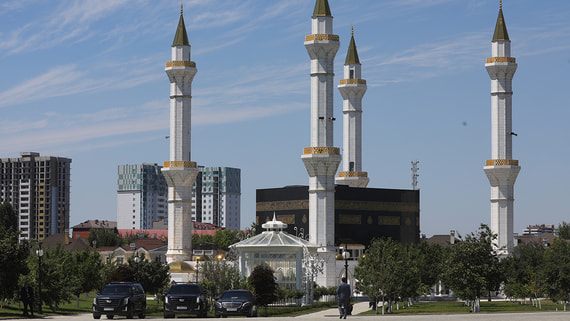
The anticipated change in Chechnya’s parliamentary leadership has drawn considerable attention given the republic’s unique political status within the Russian Federation. Under the long-standing leadership of Ramzan Kadyrov, who has served as the head of the Chechen Republic since 2007, the region has maintained a distinctive governance model characterized by strong centralized control and close ties to the federal government in Moscow. Any changes to key leadership positions within Chechnya are typically viewed through the lens of maintaining political stability in a region that experienced devastating conflicts during the 1990s and early 2000s.
Regional Legislative Rotations Across Russia
The upcoming change in Chechnya is part of a wider phenomenon affecting legislative assemblies throughout the Russian Federation. Multiple regions are expected to see new speakers take the helm of their respective parliaments following the conclusion of electoral processes. This pattern of rotation reflects the Kremlin’s broader strategy of periodically refreshing regional leadership to prevent the entrenchment of local political elites while maintaining overall political continuity and stability. Such rotations have historically served to balance local interests with federal priorities, ensuring that regional legislative bodies remain aligned with Moscow’s policy directives.
Regional parliaments in Russia play an important role in the federal system, responsible for passing local legislation, approving regional budgets, and providing oversight of executive branch activities within their territories. While the practical power of these bodies varies significantly from region to region, their leadership positions remain symbolically and politically significant. The speaker of a regional parliament often serves as a key intermediary between local political factions and federal authorities, making the selection of these officials a matter of considerable importance for maintaining smooth governance.
Historical Context and Political Significance
Chechnya’s political evolution since the end of the Second Chechen War in 2009 has been marked by extensive reconstruction efforts and the consolidation of power under the Kadyrov administration. The republic’s parliamentary system has undergone various transformations during this period, adapting to changing political circumstances while maintaining alignment with federal structures. The Parliament of the Chechen Republic, officially known as the People’s Assembly, consists of deputies who represent various constituencies within the republic and has served as an important institution in the post-conflict governance framework.
Political analysts note that leadership changes in Chechen institutions often occur with careful coordination between regional authorities and federal officials, reflecting the delicate balance of power that characterizes the relationship between Grozny and Moscow. The timing of such changes typically coincides with electoral cycles, providing a formal democratic mechanism for transitions while allowing for behind-the-scenes negotiations regarding suitable candidates. This approach has generally contributed to political stability in the region, avoiding the disruptions that might accompany more contested leadership struggles.
Looking Ahead: Implications for Regional Governance
As elections approach across multiple Russian regions, observers will be watching closely to see how the anticipated leadership rotations unfold. The changes in parliamentary leadership could signal shifts in policy priorities or simply represent generational transitions within established political frameworks. In Chechnya specifically, any new speaker will likely continue to operate within the parameters established by the existing power structure while potentially bringing fresh perspectives to legislative affairs. The broader pattern of rotations across Russia’s regions suggests a coordinated effort to inject new energy into subnational governance while maintaining the overall stability of the political system.
Expert Opinion: The anticipated rotation of the Chechen Parliament speaker, alongside similar changes in other Russian regions, represents a carefully managed process of elite renewal rather than substantive political change. This approach allows federal authorities to maintain stability while preventing excessive consolidation of power at the regional level, a strategy that has proven effective in managing Russia’s complex federal structure over the past two decades.