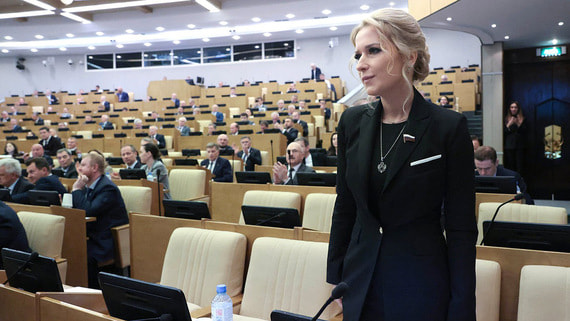
As Russia’s State Duma continues its eighth convocation, a detailed analysis of legislative activity reveals significant disparities in productivity among deputies. According to recent data, representatives from the Liberal Democratic Party of Russia (LDPR) and the Just Russia party have emerged as the most prolific bill sponsors, outpacing their colleagues from other parliamentary factions in terms of sheer legislative output. This pattern of activity raises important questions about the nature of parliamentary work and the various strategies employed by different political forces to advance their agendas in the Russian legislative process.
Leading Legislators and Their Output
The analysis of bill submissions during the eighth Duma convocation shows a clear trend: opposition parties, despite holding fewer seats than the ruling United Russia party, have demonstrated remarkable legislative initiative. LDPR deputies, following the tradition established by the party’s late founder Vladimir Zhirinovsky, have maintained an aggressive approach to lawmaking, submitting numerous proposals across various policy areas. Similarly, Just Russia representatives have shown consistent engagement with the legislative process, introducing bills on social policy, labor rights, and economic reform.
This phenomenon is not entirely new in Russian parliamentary history. Smaller factions have historically used bill submissions as a tool for political visibility and agenda-setting, even when their proposals face long odds of passage. The eighth convocation, which began its work in October 2021, has continued this pattern, with individual deputies from opposition benches sometimes submitting dozens of bills each session. While United Russia maintains its constitutional majority and controls the legislative agenda, the sheer volume of proposals from other parties ensures that alternative viewpoints enter the public discourse.
The Quality Versus Quantity Debate
Political analysts note that raw numbers of submitted bills do not necessarily correlate with legislative effectiveness. Many proposals from highly active deputies never make it past committee review, while carefully crafted legislation from less prolific lawmakers may achieve passage and implementation. The Russian legislative process involves multiple stages of review, and bills must navigate through committee hearings, multiple readings, and coordination with the Federation Council before reaching the president’s desk for signature.
Critics argue that excessive bill submission can sometimes represent political theater rather than genuine lawmaking effort. Some proposals are introduced primarily to generate media attention or to signal positions to constituents, with little expectation of actual enactment. However, defenders of active legislators counter that even unsuccessful bills serve important functions: they can shift public debate, pressure the government to address neglected issues, and create a record of alternative policy approaches that may gain traction in future convocations.
Historical Context of Duma Productivity
The State Duma, reconstituted in 1993 following the constitutional crisis of that year, has evolved significantly in its legislative patterns over successive convocations. The eighth convocation operates in a political environment markedly different from earlier periods, with increased emphasis on national unity and security concerns following geopolitical developments since 2022. This context has influenced both the types of legislation being proposed and the pace at which certain categories of bills move through the system.
Parliamentary experts observe that legislative productivity metrics have become increasingly important for deputies seeking re-election or advancement within party structures. The ability to point to concrete legislative initiatives, regardless of their ultimate fate, serves as evidence of active representation for constituents. This creates incentives that may not always align with the most efficient use of parliamentary resources, but reflects the political realities facing elected representatives in competitive electoral environments.
Implications for Russian Governance
The distribution of legislative activity across party lines has broader implications for Russian governance and policy development. While the dominant party maintains control over which bills ultimately become law, the constant stream of alternative proposals from opposition deputies creates a documented archive of policy options and demonstrates the range of perspectives present in Russian society. As the eighth convocation continues its work, observers will be watching whether the most active legislators can translate their productivity into tangible policy outcomes or whether their efforts will remain primarily symbolic contributions to parliamentary discourse.
Expert Opinion: The high legislative activity from opposition parties in the Russian Duma reflects a broader strategic calculation: in a parliament where passage of opposition bills remains unlikely, quantity of submissions becomes a metric for demonstrating political relevance and constituent engagement. This pattern suggests that the ninth convocation will likely see similar dynamics, with smaller factions continuing to use bill submissions as their primary tool for political positioning and agenda influence.