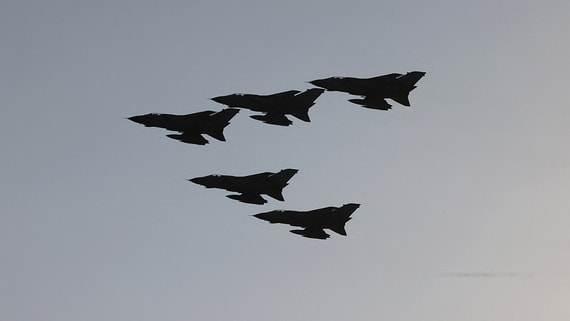
A fragile ceasefire in the Middle East has come to a dramatic end following coordinated military strikes by the United States and Saudi Arabia against Iranian-backed militias operating in Iraq. The sudden escalation marks a significant deterioration in regional stability and signals the failure of diplomatic efforts to maintain peace in one of the world’s most volatile regions. The strikes, which targeted multiple positions associated with pro-Iranian forces, came just hours after negotiations concerning the strategic Strait of Hormuz broke down without agreement.
The collapse of these critical talks has sent shockwaves through international diplomatic circles, raising concerns about the potential for a broader regional conflict. Both Washington and Riyadh have justified their military actions as necessary responses to ongoing threats posed by Iranian proxy forces, which have been accused of destabilizing activities across the Middle East. Tehran, for its part, has condemned the strikes as acts of aggression and has vowed to support its allies in the region.
The Strategic Importance of the Strait of Hormuz
The Strait of Hormuz, a narrow waterway separating Iran from the Arabian Peninsula, represents one of the most critical chokepoints in global energy markets. Approximately 20 percent of the world’s oil supply passes through this strategic corridor daily, making it essential to the global economy. For decades, control and access to this waterway has been a source of tension between Iran and Western powers, with periodic threats of closure during times of heightened conflict. The recent negotiations were aimed at establishing protocols for safe passage and reducing military tensions in the area, but fundamental disagreements over security arrangements and regional influence ultimately proved insurmountable.
Historical tensions in the strait have periodically disrupted global oil markets, with incidents ranging from tanker seizures to military confrontations. During the 1980s Iran-Iraq War, the so-called “Tanker War” saw both nations attack oil vessels, leading to US naval intervention. More recently, tensions escalated in 2019 when several tankers were attacked in the Gulf of Oman, with the United States and its allies blaming Iran for the incidents. The current breakdown in negotiations suggests that these underlying tensions remain unresolved and continue to pose significant risks to international shipping and energy security.
Iranian Proxy Networks in Iraq
The targeted militias represent part of Iran’s extensive network of allied forces across the Middle East, often referred to as the “Axis of Resistance.” In Iraq, these groups have grown significantly in influence since the fall of Saddam Hussein in 2003 and played a controversial role in fighting against ISIS. However, their presence has also been a source of friction with both the Iraqi government and US forces stationed in the country. The militias, which include powerful organizations such as Kata’ib Hezbollah and Asa’ib Ahl al-Haq, have been accused of conducting rocket attacks against American military installations and diplomatic facilities, as well as undermining Iraqi sovereignty.
The relationship between these militias and the Iraqi government remains complex. While some groups have been officially integrated into the Iraqi security forces under the Popular Mobilization Forces umbrella, their dual loyalties to both Baghdad and Tehran have created persistent governance challenges. Iraqi officials have often found themselves in the difficult position of balancing their relationship with the United States, their primary security partner, against the influence of neighboring Iran, with which they share religious, cultural, and economic ties.
Regional and International Implications
The joint US-Saudi military operation represents a significant deepening of security cooperation between the two nations, which have historically maintained close but sometimes complicated ties. For Saudi Arabia, the strikes align with its broader strategy of countering Iranian influence across the region, from Yemen to Lebanon. The Kingdom has long viewed Iranian expansionism as an existential threat and has invested heavily in building military capabilities to deter Tehran. For the United States, the action reflects continued commitment to protecting regional allies and maintaining freedom of navigation in critical waterways, despite domestic debates about the appropriate level of military engagement in the Middle East.
International reactions to the strikes have been mixed, with some allies expressing support for the defensive measures while others have called for restraint and renewed diplomatic efforts. The United Nations has urged all parties to exercise maximum restraint and return to negotiations, warning that further escalation could have devastating humanitarian consequences for the region. Energy markets have already responded to the increased tensions, with oil prices rising sharply amid concerns about potential supply disruptions. Analysts warn that prolonged instability could have far-reaching effects on the global economy, particularly as nations continue to navigate post-pandemic recovery challenges.
Expert Opinion: The simultaneous collapse of Hormuz negotiations and the launch of coordinated strikes suggests a strategic recalibration by both Washington and Riyadh, signaling reduced tolerance for Iranian proxy activities. This escalation may paradoxically create conditions for more substantive future negotiations, as all parties reassess their red lines. However, the immediate risk of miscalculation remains dangerously high, and the international community must urgently engage to prevent a spiral into wider regional conflict.