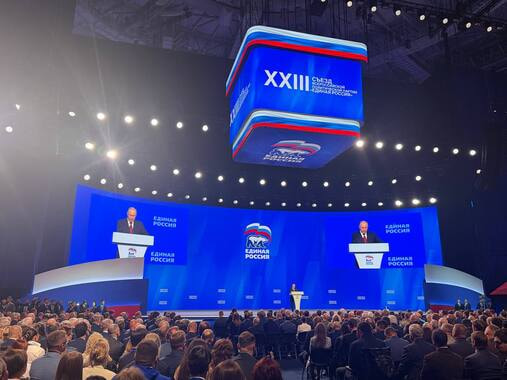
In an unusual political development, nearly half of the United Russia party members serving in the parliament of Berdsk, a city in Russia’s Novosibirsk region, have decided to run in upcoming elections as independent candidates rather than under the party banner. This strategic move raises questions about the ruling party’s grip on local governance and could temporarily shift the balance of power in the city council, highlighting internal tensions within regional political structures.
The decision by these lawmakers to distance themselves from United Russia’s official ticket while maintaining their party membership represents a calculated political maneuver. By running as self-nominated candidates, these politicians may be seeking to appeal to voters who have grown skeptical of the ruling party while still benefiting from the organizational resources and networks that party membership provides. This dual strategy reflects the complex realities of Russian regional politics, where local considerations often trump national party loyalty.
The Political Landscape of Berdsk
Berdsk, with a population of approximately 100,000 residents, serves as an important satellite city of Novosibirsk, the largest city in Siberia and the third most populous city in Russia. The city has historically been a stronghold for United Russia, which has dominated Russian politics since its founding in 2001. However, the Novosibirsk region has shown occasional signs of political independence, with opposition candidates achieving notable successes in various elections over the years. The region elected a Communist Party mayor in Novosibirsk in 2014, demonstrating that voters in Siberia can sometimes buck national trends.
The phenomenon of ruling party members running as independents is not entirely unprecedented in Russian politics, but its scale in Berdsk appears noteworthy. Political analysts suggest this trend may reflect local politicians’ attempts to insulate themselves from any negative perceptions associated with the federal government’s policies, particularly during times of economic uncertainty. Running as independents allows candidates to maintain flexibility in their campaign messaging while avoiding direct association with potentially unpopular federal decisions.
Implications for Regional Governance
Should these self-nominated candidates win their races but remain unofficial representatives of United Russia’s interests, the party may maintain de facto control of the city council despite an apparent loss on paper. This scenario would create an unusual situation where the formal composition of the legislative body does not accurately reflect the true political alignments of its members. Such arrangements are not uncommon in Russian regional politics, where informal networks and personal loyalties often matter more than official party affiliations.
The timing of this political maneuvering coincides with broader discussions about the state of local democracy in Russia. Municipal and regional elections, while often overshadowed by federal contests, play crucial roles in determining how services are delivered to citizens and how local resources are allocated. City councils in Russia typically handle issues ranging from urban planning and housing to local taxation and social services, making their composition a matter of genuine consequence for residents.
Historical Context and Future Outlook
United Russia has maintained its dominant position in Russian politics through various mechanisms, including strong support from federal authorities, extensive media access, and well-developed organizational structures across the country’s regions. However, the party has faced periodic challenges at the local level, particularly in urban areas where voters tend to be more educated and have access to diverse information sources. The 2019 Moscow city council elections, for instance, saw significant gains by opposition candidates despite various obstacles.
The situation in Berdsk will likely be closely watched by political observers as a potential indicator of broader trends in Russian regional politics. Whether this represents a genuine fracturing of United Russia’s local coalition or simply a tactical adjustment remains to be seen. The outcome of the elections and the subsequent behavior of the elected representatives will provide crucial insights into the evolving dynamics of political power in Russia’s regions, where the relationship between national party structures and local political realities continues to generate complex and sometimes surprising results.
Expert Opinion: This development in Berdsk likely reflects a calculated risk-management strategy by local United Russia politicians rather than genuine ideological departure from the party. By running as independents, these candidates can test local sentiment while maintaining backdoor party support, potentially rejoining the official faction after elections if successful. This pattern may become more common across Russian regions as local politicians seek to balance federal party expectations with increasingly complex local electoral dynamics.