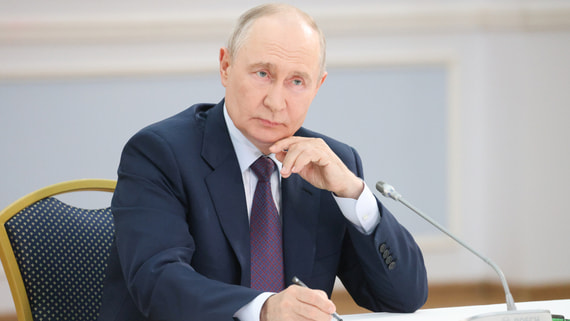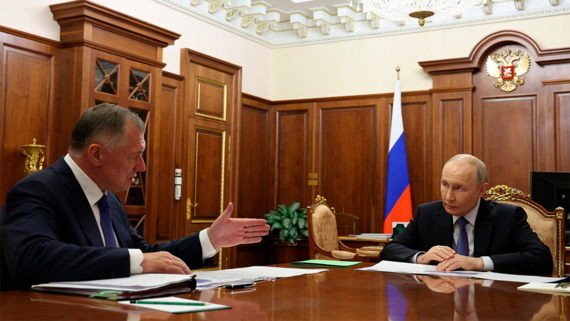
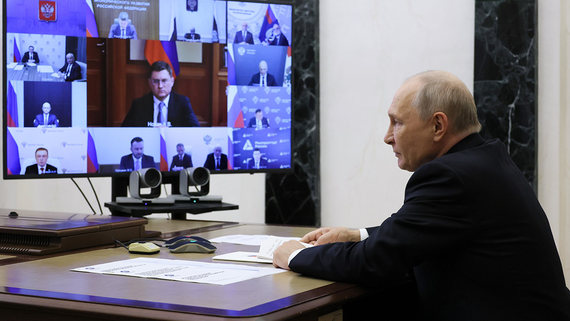
Russian President Vladimir Putin has unveiled ambitious plans for the expansion of the country’s nuclear energy sector, announcing the construction of approximately 30 gigawatts of new atomic power capacity during a high-level meeting dedicated to nuclear energy development. This significant announcement signals Russia’s continued commitment to nuclear power as a cornerstone of its energy strategy, despite global debates about the future of atomic energy following various international incidents and the growing emphasis on renewable alternatives.
The announcement comes at a critical juncture for global energy markets, with many nations reassessing their energy portfolios amid climate change concerns and geopolitical tensions affecting traditional fossil fuel supplies. Russia, which already operates one of the world’s largest nuclear fleets, is positioning itself to remain a dominant force in both domestic nuclear power generation and international nuclear technology exports through its state nuclear corporation Rosatom.
Strategic Implications of Russia’s Nuclear Expansion
The planned 30 GW expansion represents a substantial increase in Russia’s nuclear generating capacity, which currently stands at approximately 29.5 GW from 37 operational reactors across 11 nuclear power plants. If fully implemented, this expansion would effectively double the country’s nuclear power output, fundamentally transforming its energy landscape. Nuclear energy currently accounts for roughly 20 percent of Russia’s electricity generation, and this expansion could push that figure significantly higher in the coming decades.
The timing of this announcement is particularly significant given the ongoing global energy transition. While many Western European nations have scaled back their nuclear ambitions following the 2011 Fukushima disaster in Japan, Russia has consistently maintained and expanded its nuclear program. The country views nuclear power as essential for meeting both domestic energy needs and its international climate commitments, as nuclear plants produce virtually no direct carbon emissions during operation.
Rosatom’s Global Ambitions and Technical Capabilities
Russia’s state nuclear corporation Rosatom has established itself as a leading global player in nuclear technology, currently constructing reactors in numerous countries including Turkey, Egypt, Bangladesh, and Hungary. The domestic expansion announced by Putin will likely strengthen Rosatom’s capabilities and provide additional expertise that can be leveraged in international projects. The corporation has developed advanced reactor designs, including the VVER-1200 pressurized water reactor, which incorporates post-Fukushima safety enhancements and represents the current generation of Russian nuclear technology.
The expansion plans are expected to create thousands of high-skilled jobs in the Russian nuclear sector, from reactor construction and operation to fuel production and waste management. Russia maintains a complete nuclear fuel cycle, from uranium mining through fuel fabrication to spent fuel reprocessing, giving it significant advantages in the global nuclear marketplace. This vertical integration allows Russia to offer comprehensive nuclear packages to international clients, including financing, construction, fuel supply, and waste management services.
Environmental and Economic Considerations
From an environmental perspective, the nuclear expansion aligns with Russia’s stated goals of reducing carbon emissions and transitioning toward cleaner energy sources. Nuclear power plants can operate continuously regardless of weather conditions, providing baseload power that complements intermittent renewable sources like wind and solar. However, critics point to ongoing concerns about nuclear waste storage, the potential for accidents, and the significant capital costs associated with nuclear plant construction, which typically takes a decade or more from planning to operation.
Economically, the investment required for 30 GW of new nuclear capacity would likely exceed hundreds of billions of dollars over the construction period. Despite these costs, nuclear power can provide relatively stable electricity prices over the 40-60 year operational lifetime of modern reactors, insulating consumers from the volatility often associated with fossil fuel markets. Russia’s domestic nuclear expansion also serves strategic purposes, reducing dependence on natural gas for electricity generation and freeing up more gas for export to international markets.
Expert Opinion: This announcement represents one of the most ambitious nuclear expansion programs globally, signaling that Russia intends to remain the world’s leading nuclear technology exporter for decades to come. The scale of this commitment suggests Moscow views nuclear power as strategically essential for both energy security and maintaining technological leadership, potentially reshaping the global nuclear industry landscape well into the latter half of this century.