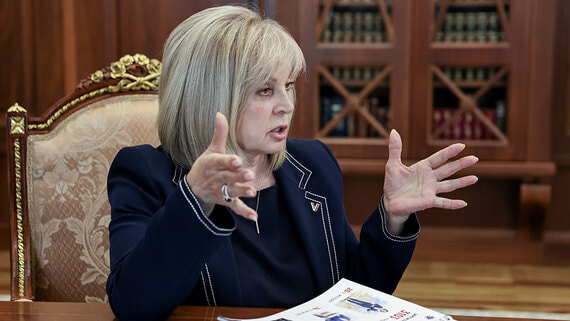
Russian President Vladimir Putin held a significant meeting with Ella Pamfilova, the head of the Central Election Commission (CEC), to discuss preparations for the upcoming State Duma elections. The conversation touched on several critical aspects of the electoral process, including the challenging conditions under which voting will take place in certain regions, the participation of candidates who have served in the special military operation, and the procedures for determining ballot order among political parties. This meeting underscores the Kremlin’s focus on ensuring the electoral process proceeds according to plan despite the ongoing conflict in Ukraine and its domestic implications.
The discussion highlighted what officials described as “extreme conditions” facing election organizers in several Russian regions. These challenging circumstances are primarily related to territories near the Ukrainian border and newly annexed regions where security concerns and ongoing military operations create significant logistical obstacles for conducting standard electoral procedures. The CEC has been working to develop special protocols and safety measures to ensure that citizens in these areas can exercise their voting rights while minimizing risks to both voters and election workers. This includes extended voting periods, mobile ballot boxes, and enhanced digital voting options in select locations.
Special Military Operation Veterans as Political Candidates
A notable topic of the meeting was the participation of veterans and current participants of what Russia officially terms the “special military operation” in Ukraine as candidates for the State Duma. This represents a significant shift in Russian electoral politics, as the Kremlin appears to be actively promoting military service members as potential lawmakers. The move is seen by political analysts as an attempt to integrate war veterans into the political establishment, potentially creating a new class of legislators with direct combat experience. Such candidates are expected to bring perspectives shaped by frontline experience to parliamentary debates, particularly on matters of defense, veterans’ affairs, and national security policy.
The phenomenon of military veterans entering politics is not new to Russia, but the scale and official encouragement of such candidacies in the current context marks a departure from previous electoral cycles. Historically, Russian politics has seen former military and security service personnel rise to prominent positions, with Putin himself being a former KGB officer. However, the deliberate cultivation of combat veterans from an ongoing conflict as political candidates represents a new dimension in Russian electoral strategy, potentially aimed at both rewarding military service and building public support for the government’s military policies.
Party Ballot Order and Electoral Procedures
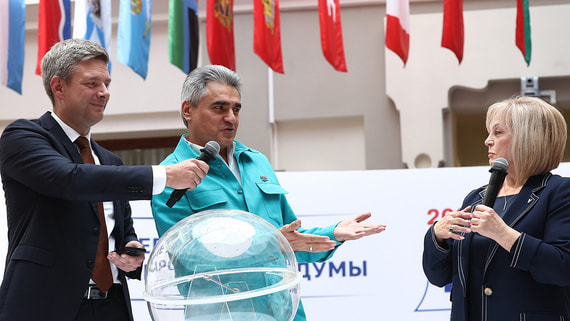
The meeting also addressed procedural matters, including the lottery system used to determine the order in which political parties appear on the ballot. This seemingly technical detail carries significant weight in electoral politics, as research has shown that ballot position can influence voter behavior, with parties listed earlier sometimes receiving a slight advantage. The CEC oversees this process to ensure fairness and transparency among competing political organizations. Russia’s electoral system for the State Duma combines single-member constituencies with proportional representation, making party positioning on the ballot a matter of considerable interest to all participating political organizations.
The State Duma, as the lower house of Russia’s Federal Assembly, consists of 450 deputies serving five-year terms. Half of these seats are filled through proportional representation based on party lists, while the other half come from single-member districts. The current composition heavily favors the ruling United Russia party, which has maintained a constitutional majority. Opposition parties, including the Communist Party, Liberal Democratic Party, and A Just Russia, hold smaller shares of seats. The upcoming elections will test whether this distribution remains stable amid significant changes in Russian society brought about by the ongoing military conflict and associated economic pressures.
Historical Context and Electoral Significance
Russian parliamentary elections have evolved significantly since the dissolution of the Soviet Union in 1991. The State Duma was established as part of the 1993 constitution following a constitutional crisis that year. Over the subsequent three decades, elections have gradually shifted from genuinely competitive contests in the 1990s to more managed affairs in recent years, with international observers and domestic critics frequently raising concerns about fairness and transparency. The CEC, led by Pamfilova since 2016, has faced both praise for technical improvements and criticism for perceived limitations on genuine political competition.
The meeting between Putin and Pamfilova signals the administration’s attention to electoral matters even as the country remains engaged in its largest military operation since World War II. How these elections proceed, particularly in contested border regions and newly annexed territories, will be closely watched by both domestic audiences and international observers as an indicator of Russia’s political trajectory during this consequential period in its modern history.
Expert Opinion: The integration of military veterans from the Ukraine conflict into Russia’s political establishment suggests a long-term strategy to institutionalize support for the war within governmental structures. This approach may strengthen the Kremlin’s domestic narrative while creating potential tensions within the political system if veteran-legislators develop independent policy positions. The upcoming elections will likely serve as a barometer for public sentiment regarding the conflict and the government’s handling of its domestic consequences.