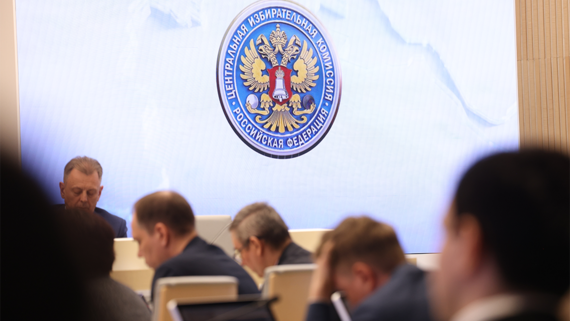
Russia’s Central Election Commission (CEC) has identified documentation errors submitted by yet another non-parliamentary political party, marking the fifth such case in the current election cycle. This pattern of technical irregularities has raised questions about the administrative challenges facing smaller political organizations attempting to participate in the country’s electoral process. While some parties have managed to correct their mistakes within the allotted timeframe, others face potential exclusion from upcoming elections due to procedural non-compliance.
Among the parties affected by these documentation issues, the liberal Yabloko party and the Russian Party of Pensioners have successfully addressed the deficiencies identified by election officials. Both organizations were able to submit corrected paperwork within the deadline established by the CEC, allowing them to continue their participation in the electoral process. This outcome demonstrates that the system does provide opportunities for parties to remedy technical errors, though it also highlights the stringent requirements that all political organizations must meet.
Historical Context of Non-Parliamentary Parties in Russia
Non-parliamentary parties in Russia have historically faced significant challenges in gaining electoral traction and meeting the strict regulatory requirements imposed by election authorities. These organizations, which lack representation in the State Duma, must navigate a complex bureaucratic landscape that includes gathering signatures, submitting extensive documentation, and meeting financial reporting obligations. The threshold for parliamentary representation currently stands at five percent of the national vote, a barrier that has proven difficult for many smaller parties to overcome.
The Russian electoral system requires parties to submit detailed information about their candidates, organizational structure, and financial backing. Even minor discrepancies in these documents can result in rejection or demands for correction. Critics have argued that these requirements disproportionately burden smaller parties with limited administrative resources, while supporters maintain that such standards ensure electoral integrity and prevent fraudulent participation.
Implications for Electoral Competition
The repeated discovery of documentation errors among non-parliamentary parties raises important questions about the accessibility of Russia’s electoral system. Political analysts note that established parliamentary parties, such as United Russia, the Communist Party, and the Liberal Democratic Party, typically have more robust administrative infrastructures to handle complex filing requirements. Smaller organizations often rely on volunteer staff and limited budgets, making them more susceptible to procedural mistakes.
The CEC’s role in reviewing party documentation is intended to maintain the integrity of elections by ensuring that all participants meet legal standards. However, the frequency of errors found among non-parliamentary parties has prompted some observers to call for simplified procedures or additional support mechanisms for emerging political organizations. Such reforms could potentially increase political pluralism by lowering administrative barriers to entry while maintaining necessary oversight.
Looking Ahead to Future Elections
As Russia prepares for upcoming electoral cycles, the treatment of non-parliamentary parties will likely remain a topic of significant interest among political observers and civil society groups. The ability of parties like Yabloko and the Russian Party of Pensioners to correct their documentation errors suggests that the system allows for some flexibility, but the overall pattern of technical rejections continues to shape the competitive landscape of Russian politics.
Election monitoring organizations both domestic and international will be closely watching how the CEC handles remaining cases of documentation irregularities. The outcomes of these administrative decisions could have lasting implications for the diversity of political voices represented in Russian governance and the perceived legitimacy of electoral processes among the country’s citizens.
Expert Opinion: The recurring pattern of documentation errors among non-parliamentary parties reflects structural challenges in Russia’s electoral framework that extend beyond simple administrative oversight. As long as smaller parties lack the institutional resources to navigate complex regulatory requirements, the political landscape will likely remain dominated by established players with deeper organizational capacity. Future electoral reforms may need to address this asymmetry to foster genuine political competition.