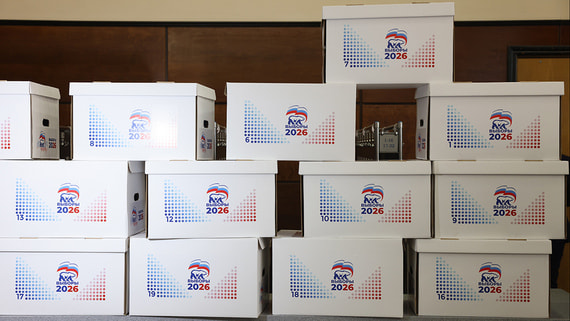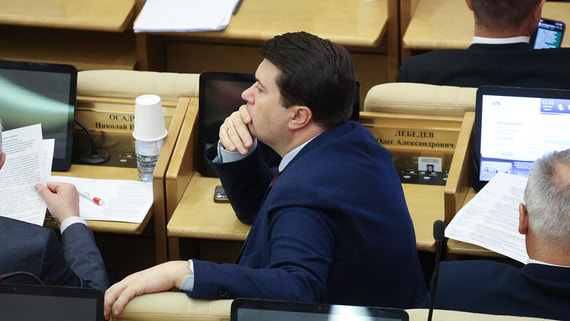
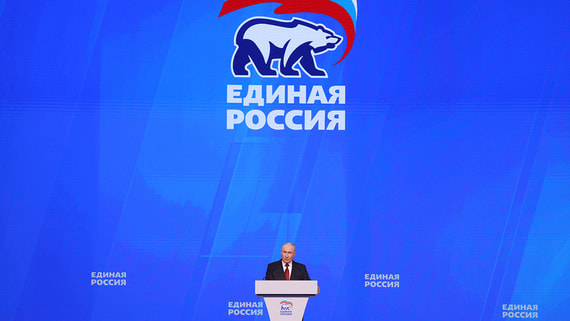
Russia’s ruling political party, United Russia, convened the second stage of its party congress in a highly anticipated gathering that saw delegates officially approve the electoral program with which the party intends to contest upcoming elections. The event brought together party leadership and regional representatives who listened to addresses from key party officials and government figures, underscoring the significance of the gathering in shaping the political landscape ahead of the voting period.
The congress served as a crucial platform for United Russia to consolidate its messaging and present a unified front to voters. Party leaders outlined their vision for the country’s development, touching on economic priorities, social welfare initiatives, and national security concerns. The approved program is expected to form the backbone of the party’s campaign strategy, providing candidates at all levels with a coherent set of policy positions to advocate during the electoral season.
Historical Context of United Russia’s Dominance
United Russia has maintained its position as the dominant force in Russian politics since its formation in 2001 through the merger of the Unity and Fatherland-All Russia parties. The party has consistently held a constitutional majority in the State Duma, Russia’s lower house of parliament, allowing it to pass legislation with minimal opposition. This political hegemony has been closely tied to the leadership of Vladimir Putin, who has served as the party’s de facto leader despite never officially joining its ranks. The party’s electoral success has been attributed to a combination of administrative resources, media dominance, and its association with stability and economic growth during the early 2000s.
The tradition of holding multi-stage party congresses reflects United Russia’s approach to political organization, which emphasizes broad consultation and deliberation among regional branches before finalizing major decisions. This structure allows the party to project an image of democratic participation while ensuring that central leadership maintains firm control over policy direction. The practice has drawn both praise from supporters who see it as evidence of internal democracy and criticism from opposition figures who argue it represents carefully choreographed political theater.
Key Elements of the Electoral Program
The electoral program approved at the congress reportedly addresses several priority areas that resonate with the Russian electorate. Economic development and job creation feature prominently, particularly in light of ongoing challenges posed by international sanctions and global economic uncertainty. The party has emphasized its commitment to supporting domestic industries, developing infrastructure in remote regions, and maintaining social safety nets for vulnerable populations. Healthcare improvements, educational reforms, and housing affordability also received significant attention in the program’s framework.
National security and defense matters constitute another pillar of the platform, reflecting the current geopolitical climate and public sentiment regarding Russia’s international position. Party speakers reportedly emphasized the importance of maintaining strong armed forces and supporting military personnel and their families. Additionally, the program includes provisions related to technological sovereignty and digital development, acknowledging the growing importance of these sectors in modern governance and economic competitiveness.
Political Implications and Opposition Response
The timing of the congress and program approval carries strategic significance as the party positions itself for electoral competition. While United Russia has historically faced limited effective opposition, the party leadership appears cognizant of the need to actively engage voters and demonstrate responsiveness to public concerns. Recent years have seen periodic protests and expressions of discontent in various Russian regions, prompting the ruling party to refine its messaging and policy offerings. The approved program can be viewed as an attempt to address some of these concerns while maintaining the party’s core ideological commitments.
Opposition parties and independent political analysts have offered mixed assessments of the congress outcomes. Some critics argue that the electoral program represents cosmetic adjustments rather than substantive policy shifts, while others note that certain provisions reflect genuine attempts to address pressing social issues. The effectiveness of the approved platform will ultimately be tested at the ballot box, where United Russia will seek to maintain or expand its parliamentary majority against a backdrop of economic challenges and evolving public expectations.
Expert Opinion: The second stage of United Russia’s congress demonstrates the party’s continued emphasis on projecting organizational strength and policy coherence ahead of elections. While the approved program addresses topical concerns, the true test will be implementation credibility with an electorate increasingly focused on tangible improvements in living standards. The party’s ability to translate campaign promises into visible results will likely determine whether it can sustain its dominant position in future electoral cycles.