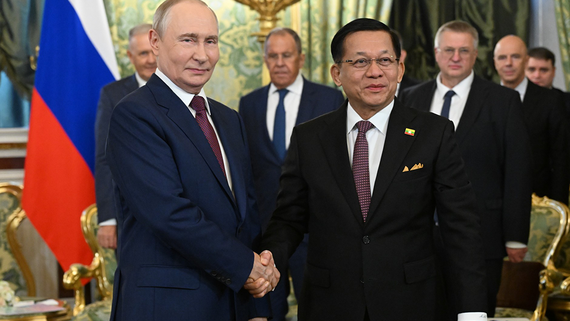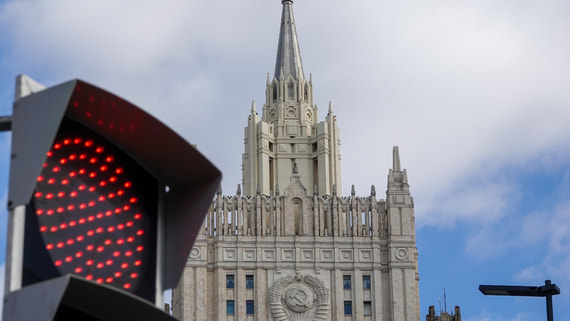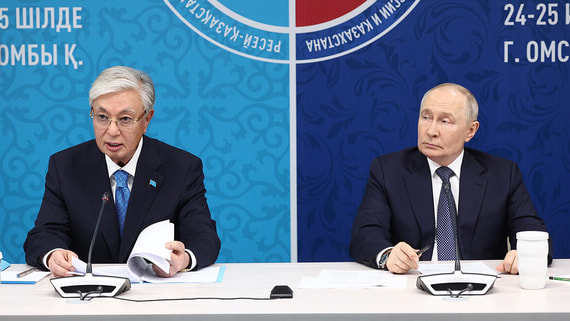
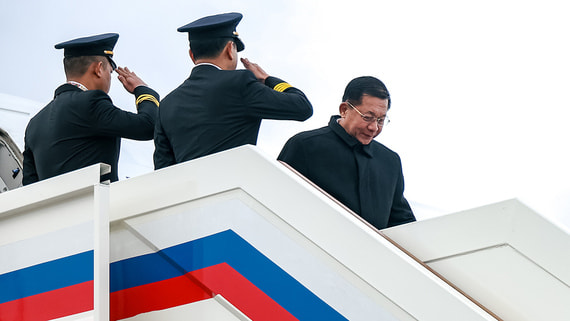
Myanmar’s military junta chief, Senior General Min Aung Hlaing, is once again heading to Russia for what marks his sixth visit to Moscow in just four years. The frequency of these diplomatic trips underscores the deepening relationship between the isolated Southeast Asian nation and Russia, as both countries face international pressure and sanctions from Western nations. The upcoming visit is expected to focus primarily on energy cooperation and military-technical collaboration, highlighting the strategic importance both nations place on this partnership.
The timing of this visit is particularly significant given Myanmar’s ongoing internal conflicts and Russia’s continued military operations in Ukraine. Both countries have found themselves increasingly isolated from the Western-led international order, creating natural incentives for closer bilateral ties. For Myanmar’s military government, which seized power in a February 2021 coup that ousted the democratically elected government of Aung San Suu Kyi, Russia represents one of the few major powers willing to engage diplomatically and provide crucial military equipment.
Energy Cooperation Takes Center Stage
Energy security has emerged as a critical concern for Myanmar’s military leadership, and Russia’s vast energy resources present an attractive partnership opportunity. The Southeast Asian nation faces significant energy challenges, with frequent power outages affecting both urban and rural areas. Russian expertise in oil, gas, and potentially nuclear energy development could help address these chronic shortages. Previous discussions between the two countries have touched on potential Russian involvement in Myanmar’s energy infrastructure, including the possibility of constructing small-scale nuclear power plants for civilian purposes.
Russia’s state-owned energy companies have shown interest in expanding their presence in Southeast Asia, and Myanmar’s relative isolation from Western investment creates opportunities that might not exist elsewhere in the region. Energy exports from Russia could also help Myanmar reduce its dependence on neighboring countries for fuel supplies, providing greater strategic autonomy for the junta.
Military-Technical Cooperation Deepens
Perhaps even more significant than energy discussions is the military dimension of the Russia-Myanmar relationship. Russia has been a consistent supplier of military hardware to Myanmar’s armed forces, known as the Tatmadaw, for decades. This includes fighter jets, helicopters, armored vehicles, and various weapons systems. As Western nations have imposed strict arms embargoes following the 2021 coup and subsequent violent crackdown on pro-democracy protesters, Russia has emerged as one of the few reliable sources of military equipment for the junta.
The military relationship between Moscow and Naypyidaw dates back to the Soviet era, though it has intensified considerably in recent years. Myanmar has purchased Su-30 fighter aircraft, Yak-130 training jets, and Mi-35 attack helicopters from Russia. These acquisitions are particularly crucial as Myanmar’s military faces sustained resistance from ethnic armed organizations and pro-democracy forces across the country. The ongoing civil conflict has stretched the Tatmadaw’s resources and equipment, making Russian military supplies increasingly vital to the junta’s survival.
Strategic Implications for the Region
The growing Russia-Myanmar partnership has broader implications for regional geopolitics in Southeast Asia. As the United States and its allies seek to counter Chinese influence in the Indo-Pacific region, Russia’s deepening ties with Myanmar add another layer of complexity to an already complicated strategic landscape. While China remains Myanmar’s most important neighbor and economic partner, the junta has sought to diversify its international relationships to avoid complete dependence on Beijing.
For Russia, maintaining close ties with Myanmar serves multiple purposes. It provides a foothold in Southeast Asia, demonstrates that Russia cannot be completely isolated despite Western sanctions, and offers potential economic opportunities. The relationship also sends a message to other countries facing Western pressure that alternative partnerships are available. Regional observers note that this dynamic could complicate efforts by ASEAN, the Association of Southeast Asian Nations, to mediate Myanmar’s political crisis through its five-point consensus framework.
As Min Aung Hlaing prepares for his latest Moscow visit, the international community will be watching closely to see what new agreements emerge. The deepening Russia-Myanmar relationship reflects broader shifts in global geopolitics, where countries facing Western sanctions increasingly band together to create alternative economic and security arrangements. For Myanmar’s long-suffering civilian population, however, the primary concern remains the ongoing conflict and humanitarian crisis that shows no signs of abating regardless of the junta’s diplomatic maneuvering.
Expert Opinion: The frequency of high-level visits between Myanmar and Russia suggests we are witnessing the formation of a durable strategic partnership rather than mere opportunistic diplomacy. As Western sanctions continue and Myanmar’s civil war intensifies, the junta’s dependence on Russian military equipment will likely grow, potentially prolonging the conflict and reducing incentives for political compromise. This relationship could become a template for other isolated regimes seeking alternatives to Western-dominated international structures.