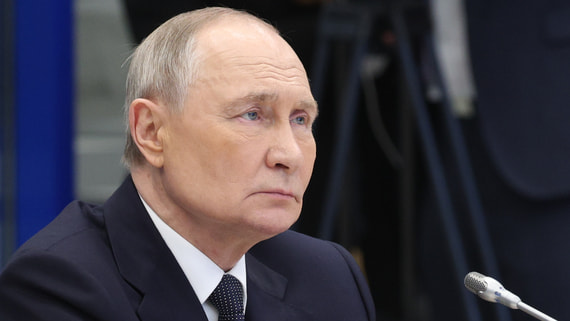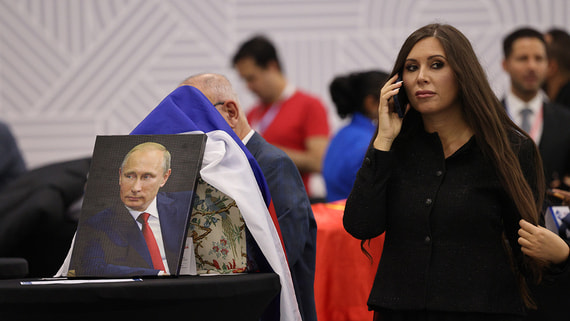
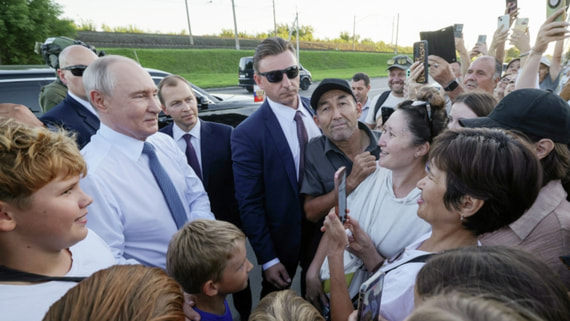
According to the latest survey conducted by the Public Opinion Foundation (FOM), one of Russia’s leading polling organizations, approximately 71 percent of Russian citizens express trust in President Vladimir Putin. The findings, released this week, indicate that public approval of the Russian leader’s performance has remained remarkably stable, with 70 percent of respondents approving of his work for the fifth consecutive week. These figures suggest a sustained level of support for the Kremlin despite ongoing international tensions and domestic economic challenges.
Understanding the Poll Methodology and Context
The Public Opinion Foundation conducts regular surveys measuring Russian public sentiment toward government officials and policies. These weekly polls typically involve nationwide samples designed to represent the broader Russian population. However, Western analysts and independent observers have long raised questions about the reliability of polling data collected within Russia, particularly given restrictions on free speech and the potential reluctance of respondents to express dissenting views openly. The atmosphere of political conformity, especially since the onset of the military operation in Ukraine in February 2022, may influence how citizens respond to pollsters.
Despite these methodological concerns, tracking trends in Russian public opinion remains valuable for understanding the domestic political landscape. The consistency of approval ratings over recent weeks suggests either genuine stability in public sentiment or, alternatively, a carefully managed information environment that shapes how Russians perceive their leadership. Independent polling organizations that once operated freely in Russia have faced increasing pressure, making FOM and state-aligned pollsters the primary sources of public opinion data available today.
Historical Trends in Presidential Approval
Putin’s approval ratings have historically fluctuated in response to major events, though they have generally remained high by Western standards throughout his more than two decades in power. His popularity surged dramatically following the annexation of Crimea in 2014, reaching peaks above 85 percent as nationalist sentiment swept the country. This phenomenon, sometimes called the “rally around the flag” effect, demonstrated how geopolitical events can significantly impact domestic political support. The current figures, while lower than those historic highs, still represent a level of approval that most Western leaders would envy.
Economic factors have traditionally played a significant role in shaping Russian public opinion. Periods of economic growth and rising living standards have generally correlated with higher approval ratings, while economic downturns have sometimes created challenges for the Kremlin’s popularity. The current sanctions regime imposed by Western nations has undoubtedly affected the Russian economy, yet the polling data suggests that many Russians continue to express support for their president. Government messaging that frames economic difficulties as the result of foreign pressure rather than domestic policy choices may help explain this resilience.
The Broader Political Implications
The sustained approval ratings carry significant implications for Russia’s political trajectory. High public support, whether organic or influenced by media control, provides the government with perceived legitimacy to pursue its current policies both domestically and internationally. Critics argue that limited access to independent media and the suppression of opposition voices create an environment where alternative viewpoints struggle to reach the general public. Since 2022, Russia has intensified restrictions on independent journalism, blocked social media platforms, and criminalized certain forms of dissent, fundamentally reshaping the information landscape available to ordinary citizens.
International observers continue to monitor Russian public opinion as an indicator of potential political change or stability. While the current numbers suggest a population largely aligned with official narratives, some analysts point to signs of war weariness and economic frustration that may not be fully captured in official polling. The true depth of public support remains difficult to assess in an environment where expressing opposition can carry serious personal and legal consequences.
Expert Opinion: The persistent high approval ratings for Putin, while noteworthy, should be interpreted with caution given the constrained media environment and potential social desirability bias in Russian polling. What these figures most clearly demonstrate is the effectiveness of state information control rather than necessarily reflecting deeply held convictions. Any significant shift in these numbers would likely only emerge following a major military setback or economic crisis severe enough to penetrate the official narrative.