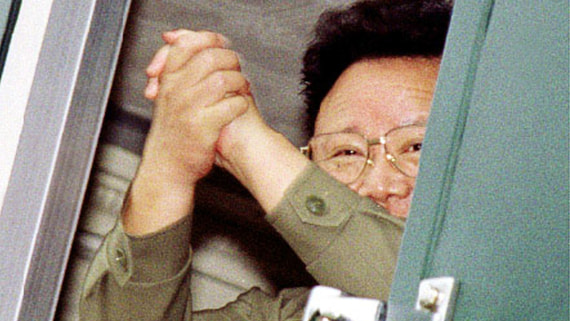
Twenty-five years ago, in the summer of 2001, North Korean leader Kim Jong-il embarked on one of the most extraordinary diplomatic journeys in modern history. Traveling aboard his legendary armored train, the reclusive leader crossed the vast expanse of Russia via the Trans-Siberian Railway to reach Moscow for his first-ever summit with Russian President Vladimir Putin. This unprecedented journey, spanning thousands of kilometers through Siberian wilderness, would mark a significant moment in the complex diplomatic relations between Pyongyang and Moscow, and showcase the unique travel preferences of one of the world’s most secretive leaders.
Kim Jong-il’s decision to travel by train rather than aircraft was not merely a matter of personal preference but stemmed from a deep-seated fear of flying. According to various diplomatic sources and intelligence reports, the North Korean leader had developed an intense phobia of air travel, possibly following a turbulent flight experience in his younger years. This fear meant that all of Kim’s international journeys had to be conducted by ground transportation, limiting his diplomatic reach to neighboring countries accessible by rail or road. His armored train became his preferred mobile headquarters, equipped with luxurious amenities, advanced communication systems, and robust security features designed to protect one of the world’s most heavily guarded individuals.
The Extraordinary Trans-Siberian Journey
The journey from Pyongyang to Moscow via the Trans-Siberian Railway covered approximately 10,000 kilometers and took more than two weeks to complete. Kim’s train consisted of multiple armored carriages, including living quarters, conference rooms, and even a wine cellar stocked with his favorite French vintages. Security measures were unprecedented: Russian authorities cleared entire sections of track, deployed thousands of soldiers along the route, and suspended regular rail traffic to ensure the safe passage of the North Korean delegation. The train traveled at reduced speeds, rarely exceeding 60 kilometers per hour, with frequent stops for security checks and to allow Kim to rest and conduct business from his mobile office.
The logistical challenges of accommodating such a journey were immense. Russian railway workers were placed on high alert along the entire route, bridges were inspected multiple times, and elaborate protocols were established at every major station. Reports from the time suggest that fresh lobsters were flown in daily to supplement Kim’s onboard meals, and his staff maintained his preferred living conditions throughout the journey, including precise temperature controls and specific lighting requirements. The train itself was a marvel of Cold War engineering, originally constructed during the Soviet era and modified to meet the exacting standards of North Korean leadership.
Historical Context and Diplomatic Significance
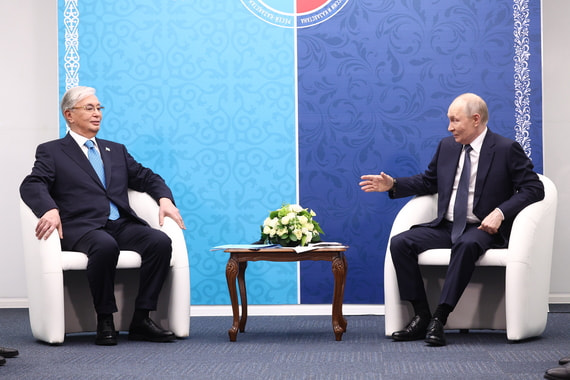
Kim Jong-il’s 2001 visit to Russia represented a significant warming of relations between the two nations, which had cooled considerably following the collapse of the Soviet Union in 1991. During the Soviet era, North Korea had been one of Moscow’s closest allies in Asia, receiving substantial economic and military assistance. However, the end of communism in Russia led to a dramatic reduction in support, plunging North Korea into a severe economic crisis during the 1990s. The 2001 summit was part of broader efforts by both Putin and Kim to restore the strategic partnership and explore new avenues for economic cooperation.
The meeting in Moscow produced several agreements on economic cooperation and reaffirmed Russia’s commitment to maintaining peace on the Korean Peninsula. For Kim Jong-il, the visit served multiple purposes: it demonstrated to the international community that North Korea was not completely isolated, provided an opportunity to seek Russian investment and assistance, and allowed Kim to gauge Putin’s positions on key regional issues. The personal relationship between the two leaders, established during this visit, would influence diplomatic dynamics in Northeast Asia for years to come.
A Legacy of Rail Diplomacy
Kim Jong-il would make several more trips to Russia by armored train before his death in 2011, including visits in 2002 and 2011. His son and successor, Kim Jong-un, has continued this tradition of rail diplomacy, most notably traveling to Vladivostok in 2019 for a summit with President Putin. The iconic green armored train has become a symbol of North Korean leadership, representing both the regime’s isolation and its determination to maintain diplomatic connections despite international sanctions and political constraints. The 2001 journey remains a remarkable chapter in the history of international diplomacy, demonstrating that even in the age of jet travel and instant communication, some leaders prefer the measured pace and controlled environment of rail travel for their most important missions.
Expert Opinion: The Kim family’s persistent reliance on armored rail travel reflects deeper strategic calculations beyond personal phobias. By controlling every aspect of their journey, North Korean leaders minimize vulnerabilities while projecting an image of deliberate, sovereign decision-making. As tensions continue in the region, these slow-moving diplomatic missions serve as powerful symbols of Pyongyang’s determination to engage on its own terms, regardless of international pressure.