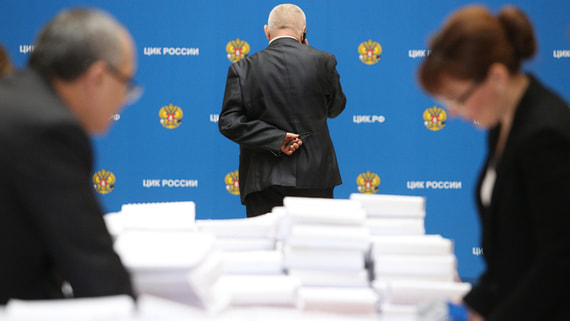
Russian political parties participating in upcoming elections have been allocated dedicated slots for campaign advertising on state television, with the first promotional materials scheduled to appear on screens starting August 24. The Central Election Commission has finalized the distribution of free airtime across major federal channels, marking the official beginning of the televised campaign season. This development comes as part of Russia’s regulated electoral process, where access to broadcast media remains a crucial component of political campaigning despite the growing influence of digital platforms.
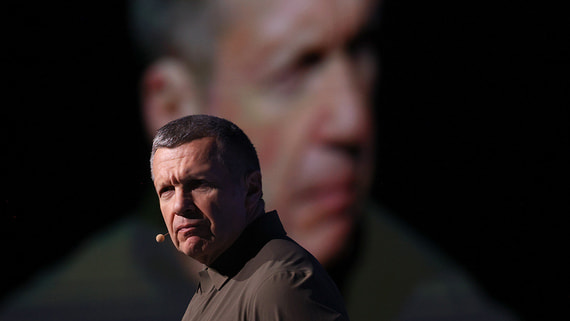
The allocation includes prominent time slots on Russia’s most-watched television programs, including the evening talk show hosted by Vladimir Solovyev, one of the country’s most influential political commentators. Solovyev’s program, known for its strong pro-government stance and high viewership ratings, represents prime real estate for parties seeking to reach millions of Russian households during peak viewing hours. The distribution of airtime follows strict regulations established by Russian electoral law, which mandates that registered parties receive equal opportunities to present their platforms to voters through state-owned media outlets.
Historical Context of Campaign Broadcasting in Russia
Television remains the dominant medium for political communication in Russia, particularly among older demographics who constitute a significant portion of the electorate. Unlike Western democracies where campaign advertising is largely driven by paid placements and independent spending, Russian electoral law provides for allocated free airtime on state channels, theoretically ensuring a level playing field among competing parties. This system dates back to the post-Soviet era when regulators sought to prevent wealthy candidates from dominating the airwaves through unlimited spending. However, critics have long argued that the practical implementation of these rules often favors parties aligned with the Kremlin, while opposition voices face various obstacles in reaching broadcast audiences.
The Central Election Commission oversees the distribution process through a lottery system designed to randomly assign specific time slots to participating parties. Each registered party receives a predetermined amount of airtime, which they can use for direct campaign appeals, candidate introductions, or policy presentations. The regulations specify technical requirements for submitted materials and prohibit certain types of content, including materials deemed extremist or those that violate other provisions of Russian law. Parties must submit their advertising content in advance for review before broadcast.
The Role of State Media in Electoral Campaigns
The significance of receiving airtime on programs like Solovyev’s cannot be overstated in the Russian media landscape. His evening broadcast regularly attracts millions of viewers and has become a influential platform for shaping public opinion on domestic and international affairs. The host’s commentary style and the program’s editorial direction have made it a centerpiece of Russia’s information environment, particularly since 2022. For political parties, appearing in adjacent time slots or during breaks in such programming provides valuable exposure to engaged audiences who are already consuming political content. Media analysts note that the context in which campaign materials appear can significantly influence their reception among viewers.
The upcoming campaign period will test how effectively various parties can utilize their allocated resources to communicate with voters. United Russia, the dominant political party supporting President Vladimir Putin, typically benefits from extensive coverage across state media beyond the formally allocated campaign slots. Opposition parties and smaller political movements face the challenge of making maximum impact within their limited broadcast windows while competing against the ambient media presence of establishment forces. Political observers will be watching closely to see how parties adapt their messaging strategies for television audiences in an information environment that has shifted significantly in recent years.
Looking Ahead to the Campaign Season
As August 24 approaches, party strategists are finalizing their television content and planning complementary outreach efforts across other media platforms. The allocated airtime represents just one component of increasingly sophisticated campaign operations that now span traditional media, social networks, and grassroots organizing. Nevertheless, television advertising remains particularly important for reaching voters in regions with limited internet penetration and among demographic groups less engaged with digital media. The coming weeks will reveal how parties balance their messaging between national broadcasts and targeted regional campaigns, as they compete for voter attention in what promises to be a closely watched electoral period.
Expert Opinion: The allocation of prime television slots, particularly around influential programs like Solovyev’s broadcast, underscores the continued centrality of state media in Russian electoral politics. While formal equality in airtime distribution exists on paper, the overall media ecosystem continues to favor establishment parties through editorial coverage and commentary. International observers should pay close attention to how smaller parties utilize their broadcast windows, as their ability to deliver coherent messages in limited time may indicate broader trends in Russian political pluralism.