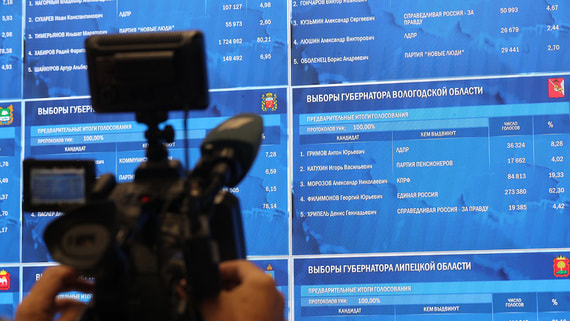
Political analysts in Russia are forecasting improved electoral outcomes for incumbent governors in the upcoming regional elections, signaling a consolidation of executive power at the regional level. The predictions come amid a broader trend of political stability that has characterized Russian regional politics in recent years, with the ruling United Russia party maintaining its dominant position across the country’s vast territorial landscape. According to preliminary assessments, most gubernatorial candidates aligned with the federal government are expected to secure comfortable victories in their respective regions.
The forecast also extends to legislative assembly elections, where United Russia is projected to strengthen its already commanding presence. The party, which serves as the primary political vehicle for supporting President Vladimir Putin’s policies, has historically dominated regional legislatures since its formation in 2001. However, analysts note that while the overall trend points toward improved results, certain regions may present more challenging electoral environments due to local economic conditions, demographic factors, or the presence of stronger opposition movements.
Regional Political Dynamics and Electoral Patterns
Russia’s regional electoral system has undergone significant evolution since the early 2000s, when direct gubernatorial elections were temporarily abolished in favor of presidential appointments. The return of direct elections in 2012 marked a new chapter in regional politics, though critics argue that the process remains heavily managed by federal authorities. Governors who receive the Kremlin’s endorsement typically enter races with substantial advantages, including access to administrative resources, favorable media coverage, and the backing of well-established party machinery.
The role of regional governors in Russia’s political system extends far beyond ceremonial functions. These officials are responsible for implementing federal policies at the local level, managing regional budgets, and maintaining social stability in their territories. Their electoral performance is closely monitored by the presidential administration, which views strong results as indicators of effective governance and political loyalty. Governors who fail to deliver satisfactory outcomes may find themselves replaced or reassigned to other positions within the government structure.
Challenges in Select Regions
Despite the generally optimistic outlook for pro-government candidates, political observers have identified several regions where electoral outcomes may prove more contentious. Economic disparities between Russia’s wealthy metropolitan centers and its more remote territories continue to influence voter sentiment, with residents in struggling areas sometimes expressing dissatisfaction through protest voting or reduced turnout. Additionally, regions with strong ethnic identities or historical opposition traditions may present unique challenges for United Russia candidates seeking to expand their vote shares.
The Communist Party of the Russian Federation and other systemic opposition parties are expected to mount campaigns in various regions, though their ability to significantly challenge United Russia’s dominance remains limited. These parties typically focus on attracting protest votes and maintaining their representation in regional legislatures rather than seriously contesting gubernatorial races. Nevertheless, their presence serves an important function in providing voters with alternatives within the established political framework, lending a degree of competitiveness to what are often predetermined outcomes.
Implications for Federal Politics
The upcoming regional elections carry significance beyond their immediate local impact, serving as barometers of public sentiment ahead of future federal electoral cycles. Strong performances by United Russia and aligned governors would reinforce the narrative of political stability and popular support for current policies, while any unexpected setbacks could prompt reassessments of political strategies at the highest levels. The Kremlin traditionally pays close attention to regional results, using them to identify emerging political talents, assess the effectiveness of local administrators, and gauge the public mood across Russia’s diverse regions.
As election day approaches, regional authorities are expected to intensify their outreach efforts, emphasizing economic development projects, social programs, and infrastructure improvements undertaken during their terms. The combination of incumbency advantages, party support, and media access typically proves decisive in these contests, ensuring that the predicted improvements in electoral results materialize at the ballot box. For Russia’s political establishment, successful regional elections serve to validate the existing system of governance and demonstrate continued public confidence in the country’s leadership structure.
Expert Opinion: The projected strengthening of gubernatorial and United Russia positions reflects the highly institutionalized nature of Russian regional politics, where electoral outcomes are largely shaped by administrative resources and federal backing rather than genuine political competition. While the system provides stability, the identified challenges in certain regions suggest that economic grievances and local factors can still create pockets of electoral uncertainty, making these territories important bellwethers for the Kremlin’s political managers to monitor closely in coming cycles.