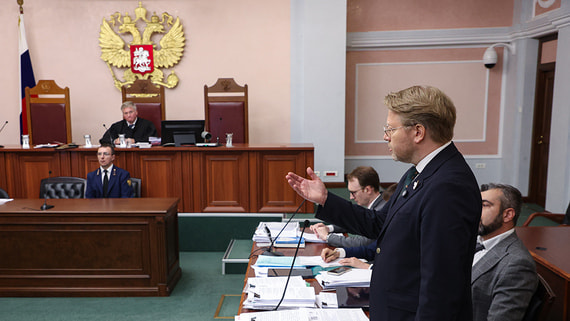
Russia’s Supreme Court has issued an explanation regarding its decision to remove the liberal Yabloko party from electoral participation, a ruling that has sparked widespread debate among legal experts and political analysts. The court’s clarification, while addressing some procedural concerns, leaves significant questions unanswered regarding campaign financing regulations and the conduct of political campaigning in the country’s evolving electoral landscape.
The Yabloko party, one of Russia’s oldest liberal opposition movements founded in 1993, has long served as a voice for democratic reform and Western-oriented policies in the Russian political spectrum. The party’s name, meaning “apple” in Russian, is actually an acronym derived from the surnames of its three founders: Yavlinsky, Boldyrev, and Lukin. Over the past three decades, the organization has faced numerous challenges in maintaining its political presence amid an increasingly restrictive environment for opposition activities.
Legal Grounds and Court Reasoning
The Supreme Court’s decision centered on alleged violations of electoral law, particularly concerning the methods used by the party to conduct its campaign activities and manage financial operations during the election cycle. According to court documents, inspectors identified irregularities in how campaign funds were collected, recorded, and disbursed. The ruling emphasized that all political parties must adhere strictly to established procedures for transparency and accountability in their financial dealings.
Legal experts have noted that the court’s explanation, while technically addressing the specific violations cited, does not fully clarify the boundaries of acceptable campaign practices. This ambiguity has created uncertainty for other political organizations attempting to navigate the complex web of electoral regulations. The lack of clear guidelines on what constitutes permissible campaigning versus prohibited activities continues to be a source of concern for election law specialists.
Historical Context of Electoral Restrictions
The removal of Yabloko from the electoral process follows a pattern of increasing restrictions on opposition political activity in Russia over the past decade. Since 2012, legislation governing political parties, foreign funding, and campaign activities has become progressively more stringent. The designation of organizations and individuals as “foreign agents” has particularly impacted liberal and pro-democracy movements, limiting their ability to operate freely and access traditional funding sources.
Yabloko has historically maintained a policy of working within the legal framework while advocating for systemic change through parliamentary means. The party participated in Duma elections throughout the 1990s and 2000s, occasionally securing enough votes to gain parliamentary representation. However, since 2003, the party has struggled to cross the electoral threshold required for Duma seats, though it has maintained a presence in some regional legislatures and municipal councils.
Implications for Russian Political Landscape
The Supreme Court’s decision and its subsequent explanation carry significant implications for the broader political environment in Russia. Political scientists suggest that the removal of established opposition parties from electoral participation further narrows the space for political pluralism and democratic competition. The questions left unanswered by the court regarding campaign finance and agitation rules create a climate of legal uncertainty that may discourage political engagement and civic participation.
International observers and human rights organizations have expressed concern over the trend of opposition parties facing legal obstacles to electoral participation. The Organization for Security and Co-operation in Europe has previously noted challenges to competitive elections in Russia, citing restrictions on candidate registration and limitations on independent campaign activities. The Yabloko case adds another data point to this ongoing discussion about the health of democratic institutions in the country.
As Russia’s political system continues to evolve, the treatment of opposition parties like Yabloko serves as an important indicator of the space available for political dissent and alternative viewpoints. The Supreme Court’s explanation, while providing some legal justification for its decision, ultimately raises as many questions as it answers about the future of multiparty democracy in the Russian Federation.
Expert Opinion: The Supreme Court’s explanation reflects a continuing pattern of using procedural and technical grounds to limit opposition political activity rather than engaging with substantive political competition. This approach creates a chilling effect on political organizing while maintaining a veneer of legal legitimacy. Looking ahead, we can expect further consolidation of electoral space, with remaining opposition movements facing increased scrutiny of their compliance with ever-evolving regulatory requirements.