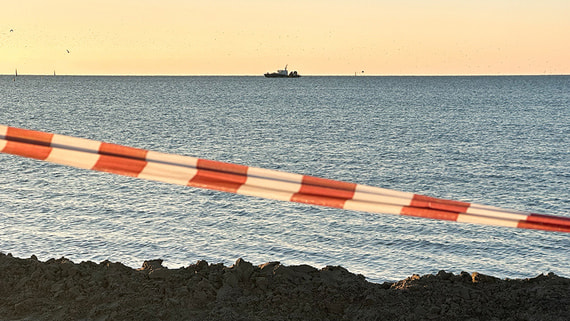
Maritime operations in the Black Sea and Sea of Azov have ground to a near standstill as escalating military strikes between Ukraine and Russia create unprecedented dangers for commercial shipping. Turkey, which served as the guarantor of the landmark grain deal between 2022 and 2023, has issued urgent calls to both Kyiv and Moscow to “take measures” to de-escalate the situation and restore safe passage through these critical waterways that serve as vital arteries for global food supplies and international trade.
Critical Trade Routes Under Threat
The Black Sea region has long served as one of the world’s most strategically important maritime corridors, connecting Eastern Europe and Central Asia to global markets. Before the current crisis intensified, these waters facilitated the export of approximately 90 million tons of grain annually from Ukraine and Russia combined, making the region indispensable for global food security. Countries across Africa, the Middle East, and Asia depend heavily on grain shipments passing through these routes, and any prolonged disruption threatens to destabilize food prices worldwide and exacerbate hunger in vulnerable regions.
The current paralysis of shipping operations represents a significant escalation from earlier phases of the conflict. Insurance premiums for vessels operating in the region have skyrocketed to unprecedented levels, with some underwriters refusing coverage entirely. Ship owners and operators face impossible choices between abandoning lucrative contracts and risking their vessels and crews in waters that have become active combat zones. Several commercial vessels have reportedly been damaged by mines, missiles, and drone attacks in recent months, causing many shipping companies to suspend operations indefinitely.
Turkey’s Diplomatic Balancing Act
Turkey occupies a unique position in this crisis, controlling the strategic Bosphorus and Dardanelles straits that serve as the only maritime connection between the Black Sea and the Mediterranean. Ankara successfully brokered the Black Sea Grain Initiative in July 2022, working alongside the United Nations to establish safe corridors for Ukrainian agricultural exports despite ongoing hostilities. That agreement, which allowed millions of tons of grain to reach global markets, collapsed in July 2023 when Russia withdrew, citing unfulfilled promises regarding its own agricultural and fertilizer exports.
Turkish President Recep Tayyip Erdogan has maintained working relationships with both Ukrainian President Volodymyr Zelensky and Russian President Vladimir Putin throughout the conflict, positioning Turkey as one of the few potential mediators. However, Ankara’s calls for both parties to “take measures” reflect growing frustration with the deteriorating security situation. Turkey’s own economy depends significantly on Black Sea commerce, and the country has invested considerable diplomatic capital in attempting to maintain some semblance of normalcy in regional trade.
Historical Context and Regional Implications
The militarization of the Black Sea represents a dramatic reversal from decades of relative stability following the Cold War. Throughout the 1990s and 2000s, the region witnessed growing commercial integration as former Soviet states developed their port infrastructure and expanded trade relationships. Ukraine’s ports at Odesa, Mykolaiv, and others became major hubs for agricultural exports, while Russian facilities at Novorossiysk handled significant oil shipments. The Sea of Azov, a shallow inland sea connected to the Black Sea through the narrow Kerch Strait, served primarily as a route for Ukrainian steel exports and Russian commodity shipments.
The current crisis has implications extending far beyond the immediate region. Global commodity markets remain highly sensitive to any disruption in Black Sea shipping, and the prolonged uncertainty has contributed to volatile food prices affecting consumers worldwide. International organizations including the World Food Programme have repeatedly warned that continued disruption of Ukrainian grain exports could trigger humanitarian crises in food-insecure regions. Meanwhile, the insurance and shipping industries are grappling with how to assess and price risks in an environment where commercial vessels may become collateral damage in an active conflict zone.
Expert Opinion: The paralysis of Black Sea shipping represents a critical inflection point that could reshape global maritime trade patterns for years to come. Without a renewed diplomatic framework guaranteeing safe passage, we may witness a permanent reduction in the region’s role as a grain export corridor, forcing importing nations to seek alternative suppliers at significantly higher costs. Turkey’s mediation efforts remain the most viable path toward restoring stability, but success will require substantial concessions from both parties that neither appears willing to offer under current circumstances.