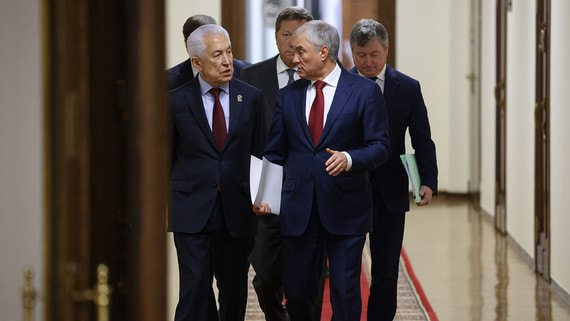
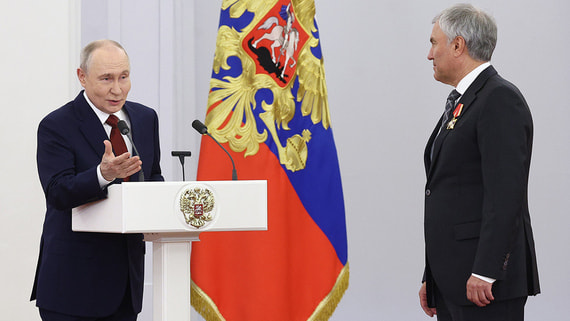
In a ceremonial address marking the conclusion of the eighth convocation of the State Duma, Russian President Vladimir Putin bestowed high praise upon the departing legislators, describing them as a “combat unit of our nation.” The characterization, delivered during a formal farewell ceremony, carried significant symbolic weight as the president both honored those completing their terms and offered encouragement to deputies seeking reelection in upcoming parliamentary contests. The remarks underscored the Kremlin’s view of the legislative body as an integral component of Russia’s governmental structure during a period of considerable domestic and international challenges.
The presidential address came at a pivotal moment in Russian political life, as the country prepares for the transition between legislative terms. Putin’s military-style rhetoric reflected the broader narrative that has dominated Russian political discourse, particularly since 2022, emphasizing national unity and the framing of various state institutions as essential elements in what officials describe as defending Russian interests on multiple fronts. The “combat unit” designation notably elevated the symbolic status of parliamentary work, positioning legislators not merely as lawmakers but as active participants in the nation’s strategic endeavors.
Historical Context of the State Duma
The State Duma, Russia’s lower house of parliament, has undergone significant transformations since its modern reestablishment following the dissolution of the Soviet Union. The current parliamentary system emerged from the 1993 constitution, which created a bicameral Federal Assembly comprising the State Duma and the Federation Council. Throughout its eight convocations, the Duma has evolved from a body that occasionally challenged executive authority in the 1990s to an institution that largely operates in alignment with presidential priorities. The eighth convocation, which began its work in 2021, has been characterized by near-unanimous support for major governmental initiatives, including legislation related to defense, social policy, and constitutional amendments.
Deputies of the outgoing convocation oversaw numerous significant legislative actions during their tenure, including the codification of territorial changes, extensive modifications to laws governing public assembly and expression, and substantial adjustments to economic regulations in response to international sanctions. The parliament also processed hundreds of bills related to social welfare, pension adjustments, and regional development, maintaining a legislative pace that government officials have described as responsive to citizen needs during challenging circumstances.
Political Significance of Presidential Praise
Political analysts note that Putin’s characterization of deputies carries implications beyond mere ceremonial acknowledgment. The language of military solidarity serves to reinforce the narrative of national mobilization that has become central to Russian political messaging. By describing legislators as a “combat unit,” the president effectively positioned parliamentary activity within the framework of national defense and collective effort. This rhetorical approach has been increasingly prevalent across Russian governmental communications, extending the vocabulary of military engagement to civilian institutions and administrative functions.
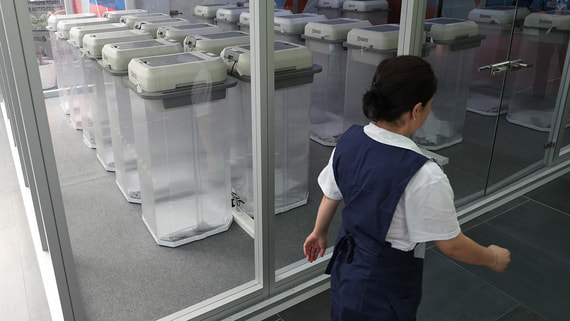
The timing of these remarks also holds strategic importance as various political figures prepare for upcoming electoral processes. Putin’s explicit encouragement to those seeking reelection provides a form of implicit endorsement, potentially influencing both candidate selection within the dominant United Russia party and voter perceptions. The ceremonial nature of the departure, combined with forward-looking statements, creates a sense of continuity and purpose that serves broader political objectives regarding stability and institutional legitimacy.
Looking Toward Future Parliamentary Work
As Russia prepares for the next legislative cycle, the departing eighth convocation leaves behind a complex legacy shaped by extraordinary circumstances. The incoming deputies will inherit both legislative frameworks established by their predecessors and ongoing challenges requiring sustained parliamentary attention. Economic adaptation to sanctions regimes, social welfare provisions, demographic concerns, and regional development all remain priorities requiring continued legislative action. Putin’s farewell remarks suggest expectations that future convocations will maintain the alignment between executive and legislative branches that characterized the eighth Duma’s tenure, continuing what officials describe as effective governance during a transformative period in Russian history.
Expert Opinion: The militaristic framing of parliamentary deputies reflects a broader consolidation of Russian political institutions around wartime messaging, suggesting that future legislative priorities will continue to be closely aligned with executive branch objectives. This rhetoric serves both to legitimize the Duma’s work and to set expectations for incoming legislators, indicating that political conformity will remain the primary criterion for parliamentary success in subsequent convocations.