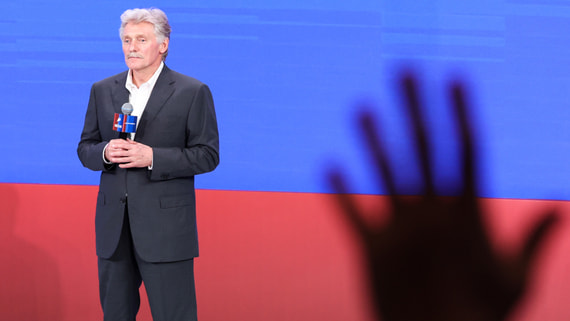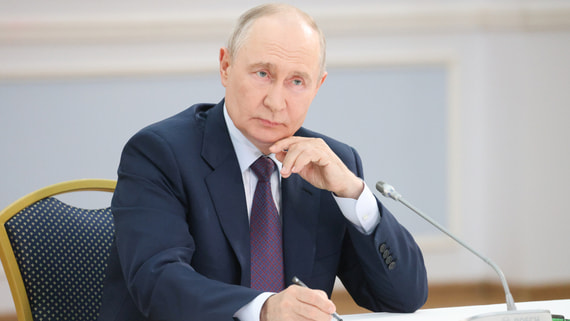
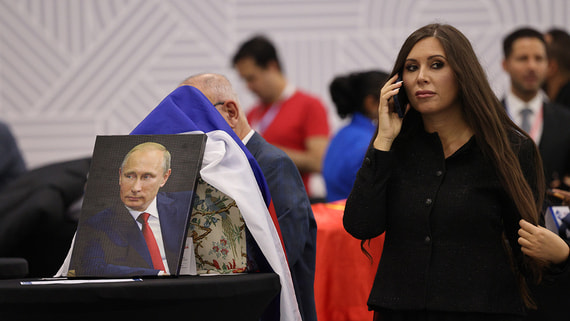
Leading Russian sociological research centers have published their latest findings on public trust in President Vladimir Putin, the government, and parliamentary parties. The fresh data from FOM (Public Opinion Foundation) and VTsIOM (Russian Public Opinion Research Center) provide insight into the current political landscape and public sentiment toward the country’s leadership. These regular surveys serve as important indicators of the political climate in Russia, tracking shifts in public opinion over time and reflecting citizens’ responses to domestic and international developments.
Current Trust Ratings and Methodology
According to the latest surveys conducted by both polling organizations, President Putin continues to maintain substantial support among the Russian population. VTsIOM and FOM employ different methodological approaches to measuring public trust, which sometimes results in slight variations in their reported figures. VTsIOM typically uses a direct question format asking respondents whether they trust specific political figures, while FOM often employs open-ended questions allowing respondents to name politicians they trust without prompting. Both organizations conduct their surveys on a weekly basis, interviewing thousands of Russian citizens across various regions to ensure representative samples of the population.
The polling data also encompasses ratings for the Russian government as a whole, headed by Prime Minister Mikhail Mishustin, as well as individual parliamentary parties represented in the State Duma. The four main parliamentary parties — United Russia, the Communist Party (KPRF), the Liberal Democratic Party (LDPR), and A Just Russia — are regularly assessed for their approval ratings and electoral support levels. These measurements help analysts understand the broader political dynamics and potential shifts in voter preferences ahead of future elections.
Historical Context and Rating Trends
Public opinion polling in Russia has a complex history that dates back to the Soviet era, though modern independent polling emerged primarily in the late 1980s and early 1990s. VTsIOM was originally founded in 1987 and has undergone various transformations, while FOM was established in 1992. Both organizations have become the primary sources for tracking political sentiment in the country, though their work has occasionally faced scrutiny from international observers regarding methodology and independence. Over the decades, Putin’s approval ratings have shown significant fluctuations corresponding to major political and economic events, including notable spikes following the annexation of Crimea in 2014 and the beginning of the military operation in Ukraine in 2022.
Political analysts note that trust ratings in Russia often reflect responses to both domestic economic conditions and international developments. Periods of economic hardship or uncertainty have historically correlated with decreased approval numbers, while moments of perceived national unity or foreign policy actions tend to boost ratings. The relationship between economic performance and political support remains a crucial factor that Russian leadership monitors closely, as it influences policy decisions and communication strategies aimed at maintaining public confidence in the government’s direction.
Significance for Political Landscape
The regular publication of these trust ratings serves multiple purposes within the Russian political system. For government officials, the data provides feedback on public reception of policies and helps identify areas requiring improved communication or policy adjustments. For opposition parties and political analysts, the surveys offer benchmarks for understanding their standing relative to the ruling establishment. International observers also closely monitor these figures as indicators of political stability and potential shifts in the Russian domestic situation. As Russia continues to navigate complex geopolitical challenges and economic pressures from international sanctions, these polling numbers will remain important barometers of public sentiment and regime resilience in the coming months and years.
Expert Opinion: The consistency of Russian polling data from state-affiliated organizations should be interpreted within the context of limited political competition and controlled media environment. While the numbers indicate stable support for the current leadership, experts suggest that true measurement of public sentiment in authoritarian-leaning systems requires accounting for social desirability bias and respondent reluctance to express dissenting views. Future rating dynamics will likely depend heavily on economic conditions and the duration of ongoing geopolitical tensions.