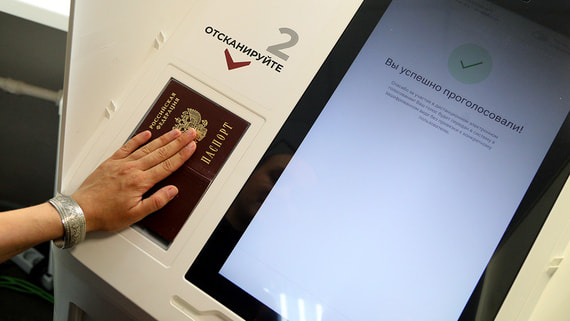
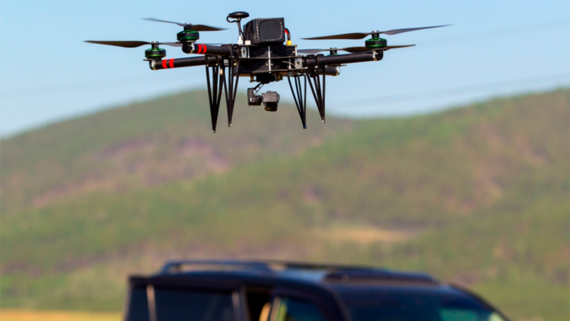
In a significant move to modernize electoral logistics, Russia’s Central Election Commission (CEC) has officially approved the use of unmanned aerial vehicles (UAVs) for delivering ballots to hard-to-reach territories across the country. CEC Chairwoman Ella Pamfilova announced the decision, expressing hope that major corporations and regional authorities will provide support for implementing this innovative approach to election management. The initiative aims to address long-standing challenges in ensuring voting access for citizens living in remote and isolated communities throughout Russia’s vast territory.
Addressing Geographic Challenges in World’s Largest Country
Russia spans eleven time zones and encompasses approximately 17.1 million square kilometers, making it the world’s largest country by land area. This enormous geographic expanse presents unique challenges for conducting democratic elections, particularly in reaching communities in Siberia, the Far East, Arctic regions, and mountainous areas where traditional transportation infrastructure is limited or nonexistent. Many villages and settlements remain accessible only by helicopter, seasonal roads, or river transport, with some areas completely cut off during certain times of the year due to weather conditions.
The decision to incorporate drone technology into ballot delivery represents a practical solution to these logistical hurdles. Previously, election officials often had to rely on expensive helicopter flights, lengthy overland journeys, or even reindeer sleds in some northern regions to ensure that all eligible voters received their ballots. These traditional methods were not only costly but also time-consuming and sometimes unreliable, occasionally resulting in delayed deliveries that complicated the voting process.
Technological Innovation in Electoral Processes
The use of UAVs for official government purposes has been expanding globally, with various countries experimenting with drone technology for medical supply delivery, emergency response, and infrastructure inspection. Russia has been developing its domestic drone industry, with several companies now capable of producing unmanned vehicles suitable for cargo delivery over significant distances. Modern delivery drones can carry payloads ranging from a few kilograms to over 100 kilograms, depending on the model, and can operate in various weather conditions that might ground traditional aircraft.
Pamfilova’s call for support from major companies suggests that the CEC is looking to establish public-private partnerships to implement this program effectively. Large Russian technology firms and logistics companies possess expertise in drone operations that could prove invaluable for developing reliable ballot delivery routes and protocols. Regional governments, meanwhile, have detailed knowledge of local geography and community locations that will be essential for planning effective delivery networks.
Security and Integrity Considerations
While the innovation promises improved accessibility, election security experts note that proper safeguards must be implemented to maintain ballot integrity during drone transport. The CEC will need to establish protocols for secure packaging, chain of custody documentation, and verification procedures upon delivery. Modern drones can be equipped with GPS tracking, tamper-evident containers, and real-time monitoring systems that could actually enhance security compared to some traditional delivery methods where ballots might change hands multiple times.
The initiative also reflects broader trends in election administration worldwide, where authorities are increasingly turning to technology to expand voter access while maintaining security. Countries from Australia to Canada have experimented with various technological solutions for reaching remote voters, though Russia’s drone delivery program appears to be among the most ambitious in scope given the country’s vast territory and numerous isolated communities.
Implementation Timeline and Regional Cooperation
The CEC has not yet announced a specific timeline for implementing the drone delivery program, though Pamfilova’s public statements indicate active preparations are underway. Successful implementation will require coordination between federal election authorities, regional governments, and technology partners. Pilot programs in select regions with particularly challenging terrain may precede nationwide rollout, allowing officials to refine procedures and address any technical or logistical issues before broader deployment. The program represents a significant step forward in ensuring that geographic isolation does not become a barrier to democratic participation for Russian citizens living in the country’s most remote areas.
Expert Opinion: This initiative positions Russia at the forefront of electoral logistics innovation, though success will depend heavily on establishing robust security protocols and reliable technology partnerships. The program could serve as a model for other geographically challenging nations, but authorities must balance efficiency gains against potential vulnerabilities in the chain of custody. Long-term viability will require sustained investment in both drone infrastructure and the regulatory framework governing their use in sensitive government operations.