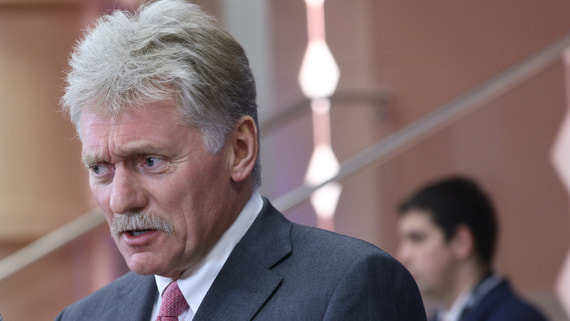
The Kremlin has announced that it is carefully analyzing recent statements from the United States concerning potential new sanctions against Russia. Presidential spokesperson Dmitry Peskov confirmed that Moscow is closely monitoring the evolving situation and will make decisions based on how events unfold. This latest development comes amid ongoing geopolitical tensions between the two nuclear powers, as diplomatic relations continue to face significant strain over multiple contested issues.
The announcement reflects the cautious approach Russia has adopted in responding to Western pressure, with officials preferring to assess the full scope of potential measures before formulating an official response. Peskov’s measured statement suggests that the Kremlin is keeping its options open while gathering more information about the specific nature and extent of any forthcoming sanctions packages.
Historical Context of US-Russia Sanctions
The sanctions regime between the United States and Russia has a complex history spanning over a decade. The first major wave of sanctions was implemented in 2014 following Russia’s annexation of Crimea and its involvement in the conflict in eastern Ukraine. These initial measures targeted specific individuals, companies, and sectors of the Russian economy, including energy, finance, and defense industries. Since then, successive US administrations have expanded and modified these restrictions in response to various geopolitical developments.
The cumulative effect of Western sanctions on the Russian economy has been significant, though experts debate their overall effectiveness in achieving policy objectives. Russia has responded by implementing counter-sanctions, developing import substitution programs, and strengthening economic ties with non-Western partners, particularly China and other BRICS nations. The Russian Central Bank has also taken measures to reduce dependence on the US dollar in international trade, a process often referred to as de-dollarization.
Economic Implications and Market Reactions
Financial markets typically react sensitively to news of potential new sanctions, with the Russian ruble and stock indices often experiencing volatility during periods of heightened uncertainty. Investors and businesses operating in Russia closely monitor such developments, as expanded sanctions could affect various sectors including banking, technology transfers, and commodity exports. The energy sector remains particularly vulnerable, given Russia’s significant role as a global supplier of oil and natural gas.
Economists note that Russia has developed considerable experience in adapting to sanctions pressure over the years, building up foreign currency reserves and creating alternative financial mechanisms. However, each new round of restrictions presents additional challenges for the Russian economy, potentially affecting everything from consumer goods availability to technological development in strategic industries. The Central Bank of Russia has maintained relatively high interest rates partly as a buffer against external economic pressures.
Diplomatic Channels and Future Outlook
Despite the adversarial nature of sanctions discussions, both Washington and Moscow have maintained certain diplomatic channels for communication. The potential for dialogue remains important for managing areas of mutual concern, including nuclear arms control, regional conflicts, and global security issues. However, the path toward normalization of relations appears distant, with fundamental disagreements persisting on multiple fronts.
International observers suggest that the coming weeks and months will be critical in determining the trajectory of US-Russia relations. The specific details of any new sanctions, including which individuals, entities, or sectors might be targeted, will significantly influence Russia’s response. Meanwhile, the Kremlin’s strategy of careful analysis before reaction indicates a preference for measured responses over immediate escalation, though past precedent shows that Moscow typically implements reciprocal measures when faced with new restrictions.
Expert Opinion: The Kremlin’s wait-and-see approach reflects a sophisticated understanding that premature reactions could limit diplomatic flexibility. Analysts expect that Russia will likely prepare multiple response scenarios while seeking to identify any potential negotiating leverage. The ultimate outcome will depend not only on the scope of new sanctions but also on broader geopolitical developments and whether any back-channel communications might offer paths toward de-escalation.