
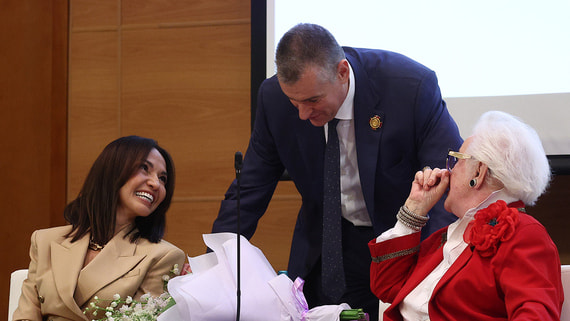
Russia’s Liberal Democratic Party of Russia (LDPR) is undergoing a notable shift in its policy priorities, with the party’s new leadership placing increasing emphasis on women’s issues, including gender inequality and sexual violence. This development marks a significant departure from the party’s traditional focus areas and signals a potential transformation in how one of Russia’s oldest political organizations approaches social policy. The move has attracted attention from political observers who see it as part of a broader strategy to expand the party’s electoral base and modernize its image in contemporary Russian politics.
The LDPR, founded in 1991 and long led by the charismatic and controversial Vladimir Zhirinovsky until his death in April 2022, has historically been known for its nationalist rhetoric and populist positions rather than progressive social policies. Zhirinovsky’s leadership style was characterized by provocative statements and a focus on geopolitical issues, often overshadowing domestic social concerns. The transition to new leadership under Leonid Slutsky has apparently opened the door for a reevaluation of party priorities and messaging strategies.
A Strategic Pivot Toward Women’s Issues
The party’s growing attention to the women’s agenda represents a calculated effort to broaden its appeal among female voters, who make up a significant portion of the Russian electorate. Political analysts suggest that this pivot reflects a recognition within the LDPR leadership that addressing issues such as gender-based violence, workplace discrimination, and family support policies could help the party attract new supporters who may have previously dismissed it as focused solely on nationalist concerns. Russia has faced ongoing challenges regarding gender equality, with international organizations consistently noting disparities in wage equality, political representation, and protections against domestic violence.
The discussion of sexual violence is particularly significant given Russia’s complex relationship with this issue. In 2017, Russia partially decriminalized domestic violence, reducing penalties for first-time offenses that do not cause serious bodily harm. This legislation sparked considerable controversy both domestically and internationally, with women’s rights advocates arguing that it sent a dangerous message about the acceptability of violence within families. The LDPR’s willingness to engage with these topics suggests a potential shift in how some political forces in Russia approach such sensitive subjects.
Historical Context and Party Evolution
The LDPR has been a fixture in Russian politics for over three decades, consistently securing representation in the State Duma and positioning itself as a nationalist alternative to both the ruling United Russia party and the Communist Party. Throughout its history, the party has undergone various transformations while maintaining its core identity as a voice for Russian nationalism and strong state authority. However, the post-Zhirinovsky era appears to be bringing more substantial changes in terms of policy focus and public communication strategies.
Women’s political participation in Russia remains relatively limited compared to many Western democracies, with women holding approximately 16 percent of seats in the State Duma as of recent elections. This underrepresentation has been cited by various advocacy groups as both a cause and consequence of insufficient attention to gender-specific policy concerns. By engaging with women’s issues, the LDPR may be positioning itself to capitalize on this gap in the political landscape, potentially appealing to voters who feel their concerns are not adequately addressed by other major parties.
Implications for Russian Political Discourse
The broader implications of the LDPR’s shift remain to be seen, but political observers note that it could influence how other parties approach similar topics. If the LDPR’s engagement with gender issues proves successful in electoral terms, it might encourage other political organizations to incorporate more robust positions on women’s rights and family policy into their platforms. This could potentially elevate the prominence of these discussions in Russian political discourse more generally, creating space for more comprehensive policy debates on issues that have often been marginalized in favor of economic or security concerns.
As Russia continues to navigate complex domestic and international challenges, the evolution of its political parties‘ positions on social issues will likely remain an important indicator of broader societal trends. The LDPR’s attention to gender inequality and sexual violence, while still in its early stages, represents a noteworthy development that merits continued observation from those interested in the trajectory of Russian politics and civil society.
Expert Opinion: The LDPR’s strategic pivot toward women’s issues likely reflects electoral pragmatism rather than ideological transformation, as the party seeks to differentiate itself in a crowded political landscape following Zhirinovsky’s death. This shift could pressure other Russian parties to address gender concerns more substantively, potentially creating incremental progress on issues like domestic violence legislation. However, the depth and sustainability of this commitment will only become clear through concrete legislative initiatives and consistent advocacy over time.