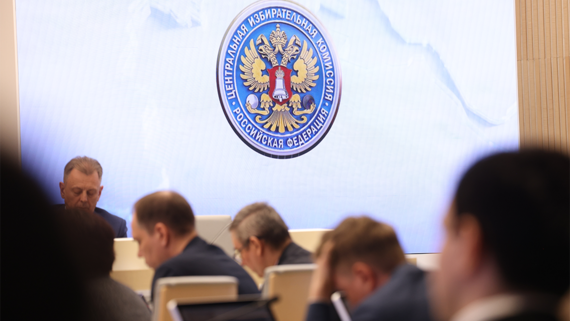
A recent analysis of media coverage in Russia has revealed striking disparities in how often political party leaders appear in news outlets, with members of the ruling United Russia party dominating the top ten positions. The study also highlighted an unexpected presence in the rankings: Alexei Zhuravlev, the leader of the Rodina (Motherland) party, who gained significant attention after his actions led to the removal of the liberal Yabloko party from election ballots. This media visibility analysis provides valuable insights into the political landscape and the relationship between press coverage and electoral success in contemporary Russian politics.
The dominance of United Russia representatives in media coverage is hardly surprising given the party’s status as the country’s ruling political force. United Russia, founded in 2001 and consistently holding a supermajority in the State Duma, benefits from extensive access to state-controlled media channels, regional press, and federal news agencies. The party’s candidates and leaders regularly appear in coverage of government initiatives, legislative activities, and official ceremonies, ensuring a constant stream of media mentions that opposition figures struggle to match. This asymmetric media presence has been a consistent feature of Russian electoral politics for over two decades.
The Rodina Factor and Yabloko’s Electoral Exclusion
Among the most notable findings is the elevated media profile of Alexei Zhuravlev, who leads the nationalist Rodina party. Zhuravlev’s prominence in recent coverage stems largely from his role in the legal challenge that resulted in Yabloko, one of Russia’s oldest liberal opposition parties, being removed from regional election ballots. Founded in 1993 by economist Grigory Yavlinsky, Yabloko has historically represented pro-Western, democratic values in Russian politics. The party’s exclusion from electoral competition marks another setback for opposition forces already operating under significant constraints. Zhuravlev’s increased visibility demonstrates how political conflicts and legal battles can generate substantial media attention, sometimes eclipsing routine campaign coverage.
The mechanisms behind such electoral exclusions typically involve challenges to candidate documentation, signature collection irregularities, or alleged violations of campaign finance rules. Critics argue that these technical grounds are often selectively applied against opposition parties, while supporters of the existing system maintain that all participants must adhere to identical legal standards. Yabloko has faced similar challenges in previous electoral cycles, with varying degrees of success in maintaining ballot access across Russia’s 85 federal subjects.
Media Access and Electoral Competition
Political scientists have long studied the correlation between media visibility and electoral outcomes, with research consistently showing that name recognition significantly influences voter behavior. In systems where media access is unevenly distributed, parties with greater coverage enjoy substantial advantages in reaching potential supporters and shaping public discourse. The concentration of top media appearances among United Russia figures reflects both the party’s institutional dominance and the structure of Russia’s media landscape, where major television channels and news agencies maintain close relationships with government authorities. Independent and opposition-aligned media outlets, while providing alternative perspectives, typically reach smaller audiences than their state-affiliated counterparts.
Historical patterns in Russian electoral politics suggest that media visibility rankings remain relatively stable between election cycles, with occasional shifts driven by specific events, scandals, or political realignments. The current analysis reinforces existing trends while highlighting how individual incidents, such as the Yabloko ballot challenge, can temporarily elevate the profiles of figures who might otherwise receive less attention. As Russia approaches future electoral events, these media dynamics will continue to shape the competitive environment and influence which voices reach the broader public. Understanding these patterns is essential for analyzing both the formal and informal aspects of Russian political competition.
Expert Opinion: The overwhelming dominance of United Russia representatives in media rankings reflects structural advantages that are unlikely to change without fundamental reforms to Russia’s media landscape. The Zhuravlev-Yabloko incident demonstrates that even smaller parties can achieve significant visibility through confrontational tactics, though such attention rarely translates into sustained electoral gains. Future elections will likely continue to feature similar asymmetries in coverage, further consolidating the existing political order.