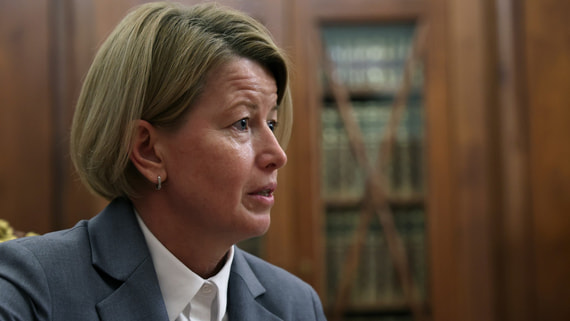
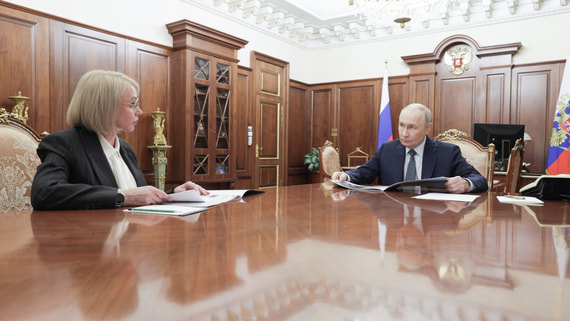
The Governor of the Nenets Autonomous Okrug (NAO), Irina Gekht, recently held a working meeting with Russian President Vladimir Putin to discuss the current state and future development prospects of one of Russia’s northernmost and most resource-rich regions. The meeting covered a wide range of topics including new energy discoveries, major infrastructure projects, and improvements in living standards for the region’s residents. The Nenets Autonomous Okrug, despite being one of the least populated federal subjects of Russia with approximately 45,000 inhabitants, plays a strategically important role in the country’s energy sector and Arctic development strategy.
During the comprehensive briefing, Governor Gekht highlighted several key achievements that demonstrate the region’s economic vitality and growth trajectory. Among the most significant developments is the discovery and opening of new oil and gas deposits within the territory. The Nenets Autonomous Okrug has long been recognized as one of Russia’s primary hydrocarbon-producing regions, with the Timan-Pechora oil and gas province containing substantial reserves that have been under development since the Soviet era. These new discoveries are expected to further cement the region’s position as a crucial contributor to Russia’s energy output and export capabilities.
Major Airport Reconstruction Transforms Regional Connectivity
One of the centerpieces of the governor’s report was the ongoing reconstruction of the regional airport, a project that carries immense significance for a territory where air transport often represents the only viable means of reaching remote communities, particularly during the harsh winter months when temperatures can plunge below minus 40 degrees Celsius. The airport modernization project aims to improve safety standards, expand capacity, and enhance the overall passenger experience for residents and visitors alike. In Arctic and sub-Arctic regions like NAO, airports serve as critical lifelines connecting isolated settlements to medical services, educational opportunities, and economic centers.
The infrastructure improvements extend beyond aviation. The Nenets Autonomous Okrug faces unique challenges due to its extreme northern location, permafrost conditions, and vast distances between population centers. Transportation infrastructure development in such conditions requires specialized engineering solutions and substantial investment. The regional administration has been working to address these challenges through a combination of federal support and local initiatives, recognizing that improved connectivity is essential for economic diversification and quality of life improvements for residents.
Rising Wages Signal Economic Progress in the Arctic Region
Perhaps most notably for the region’s residents, Governor Gekht reported that wages across the Nenets Autonomous Okrug have been experiencing consistent growth. This economic indicator is particularly significant given the challenging living conditions in the Arctic, where residents face elevated costs for food, heating, and consumer goods due to the region’s remote location and extreme climate. Higher wages help offset these additional expenses and make the region more attractive for skilled workers needed in the energy sector and public services. The average salary in NAO has historically been among the highest in Russia, largely due to the predominance of the oil and gas industry, but continued growth suggests broader economic health.
The meeting between Putin and Gekht also touched upon the broader context of Russia’s Arctic development strategy, which has been a priority for the federal government in recent years. The Arctic zone, which includes the Nenets Autonomous Okrug, has been designated for accelerated development with various tax incentives and investment programs aimed at attracting business and improving living conditions. The Northern Sea Route, which passes near the region’s coastline, has also gained strategic importance as climate change makes Arctic shipping more feasible for longer periods each year. These geopolitical and economic factors have elevated the importance of regions like NAO in national planning discussions.
Challenges and Future Prospects for Russia’s Far North
Despite the positive developments highlighted in the meeting, the Nenets Autonomous Okrug continues to face significant challenges common to Russia’s Arctic territories. These include population decline as younger residents migrate to larger cities, the need for continued investment in healthcare and education infrastructure, and environmental concerns related to industrial activity in fragile Arctic ecosystems. Governor Gekht’s report suggested that the regional administration is actively working to address these issues while capitalizing on the economic opportunities presented by the energy sector and federal Arctic development programs. The balance between resource extraction and sustainable development remains a key consideration for regional planning.
Expert Opinion: The developments reported from the Nenets Autonomous Okrug reflect Russia’s continued strategic focus on Arctic resource development amid shifting global energy dynamics. The combination of new hydrocarbon discoveries, infrastructure investment, and wage growth suggests the region is being positioned as a long-term contributor to Russia’s energy security. However, the sustainability of this development model will ultimately depend on successful diversification efforts and the ability to retain human capital in one of the world’s most challenging living environments.