The United States Congress has received formal notification regarding Turkey’s transfer of a substantial shipment of American-made weapons to Ukraine, marking a significant development in the ongoing conflict and potentially reshaping the delicate balance of Russian-Turkish relations. This move signals a notable shift in Ankara’s carefully calibrated position between Moscow and Kyiv, raising questions about the future trajectory of one of the world’s most complex bilateral relationships.
Turkey has long maintained a unique diplomatic position since Russia’s full-scale invasion of Ukraine began in February 2022. As a NATO member with deep economic ties to Russia, Ankara has walked a tightrope, refusing to join Western sanctions against Moscow while simultaneously providing Ukraine with its now-famous Bayraktar TB2 drones. This latest arms transfer, however, represents a more direct involvement in supplying Western military hardware to Ukrainian forces.
The Strategic Implications of American Weapons Through Turkey
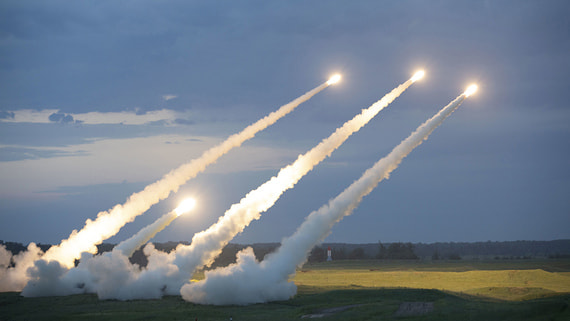
The transfer of American-made weapons through Turkey carries significant geopolitical weight. Under U.S. law, countries that purchase American military equipment must receive approval before transferring those weapons to third parties. The congressional notification indicates that the Biden administration has sanctioned this transfer, effectively using Turkey as a conduit for military aid. Defense analysts suggest this could include various systems ranging from armored vehicles to ammunition and potentially more sophisticated equipment.
Turkey’s decision comes at a critical juncture in the Ukraine conflict, as Kyiv continues to seek additional military support from its allies. The move also reflects growing international pressure on all NATO members to contribute more substantially to Ukraine’s defense capabilities. Turkey, with one of the largest militaries in the alliance, has faced periodic criticism for not doing enough to support Ukraine while maintaining its economic relationship with Russia.
Historical Context of Russian-Turkish Relations
The relationship between Russia and Turkey has historically been marked by both cooperation and confrontation. Over the past two centuries, the two nations have fought multiple wars, yet in recent years they have developed significant economic partnerships, particularly in energy and trade. The TurkStream natural gas pipeline, which delivers Russian gas to Turkey and onward to Europe, represents billions of dollars in bilateral trade. Additionally, Turkey’s controversial purchase of Russia’s S-400 missile defense system in 2019 created tensions with NATO allies while simultaneously strengthening ties with Moscow.
President Recep Tayyip Erdogan has positioned himself as a potential mediator in the Ukraine conflict, hosting peace negotiations in Istanbul in the war’s early stages. Turkey’s control of the Bosphorus Strait gives it significant leverage over Russian naval movements, and Ankara has invoked the Montreux Convention to restrict warship passage since the conflict began. This latest arms transfer, however, may complicate Turkey’s ability to maintain its mediator role, as Moscow is likely to view the move as a departure from neutrality.
Potential Russian Response and Future Outlook
Moscow’s reaction to Turkey’s arms transfer will likely shape the near-term trajectory of bilateral relations. Russia has previously expressed frustration with Turkish drone sales to Ukraine, but economic interdependence has prevented any serious rupture. The Kremlin may view the transfer of American weapons as crossing a different threshold, potentially triggering diplomatic protests or even economic countermeasures. However, both nations have demonstrated pragmatic approaches to managing disagreements, often compartmentalizing conflicts in one area while maintaining cooperation in others.
The implications extend beyond bilateral relations to broader NATO dynamics and the Western alliance’s strategy in supporting Ukraine. Turkey’s participation in arms transfers could encourage other nations to increase their contributions while also demonstrating that even countries with complex relationships with Russia are willing to provide meaningful military support to Kyiv. As the conflict continues, the balance Turkey strikes between its NATO commitments and its relationship with Russia will remain a critical factor in regional stability and the international response to the ongoing war.
Expert Opinion: This arms transfer represents a calculated risk by Ankara, signaling to NATO allies its commitment to the alliance while banking on Moscow’s unwillingness to sacrifice economic ties over military aid. The Kremlin will likely respond with diplomatic protests but stop short of actions that would jeopardize the TurkStream pipeline or bilateral trade. Long-term, this move positions Turkey as an increasingly important logistics hub for Western military support to Ukraine, potentially expanding its influence in post-war regional security arrangements.