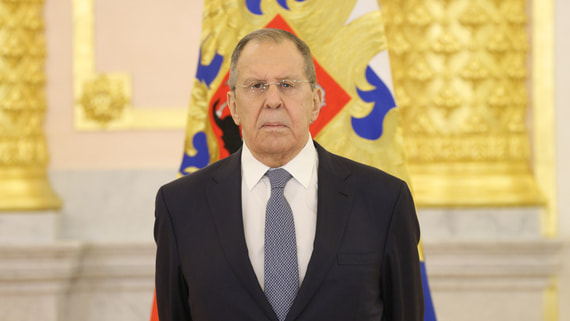
Russian Foreign Minister Sergei Lavrov has delivered a comprehensive statement addressing several critical aspects of the ongoing conflict in Ukraine, including Moscow’s stance on potential ceasefires, the possibility of implementing strict retaliatory measures, and military operations in the Black Sea region. The senior diplomat’s remarks come at a pivotal moment in the conflict, as international pressure mounts for diplomatic solutions while ground realities continue to shift. Lavrov’s comments provide insight into the Kremlin’s current strategic thinking and its expectations from ongoing diplomatic channels, particularly those involving the United States.
In his detailed address, Lavrov emphasized that Russia views any form of conflict “freeze” as fundamentally unacceptable under current conditions. The Foreign Minister argued that a temporary cessation of hostilities without addressing the root causes of the conflict would merely postpone inevitable confrontation while allowing Ukraine to rearm and regroup with Western assistance. This position reflects Moscow’s long-standing concern that Western powers are using Ukraine as a proxy to weaken Russia strategically, a narrative that has been central to Russian official discourse since the conflict began in February 2022.
Russia’s Demands and Expectations from Washington
The Foreign Minister outlined specific expectations from the United States, underscoring that meaningful progress in any negotiations would require Washington to acknowledge what Moscow describes as legitimate security concerns. Lavrov indicated that Russia anticipates concrete steps from the American side, including guarantees regarding NATO expansion and the removal of what Russia perceives as threats to its national security. These demands echo the security proposals Moscow presented to NATO and the United States in December 2021, which Western powers largely rejected, preceding the escalation of hostilities.
Historical context is essential to understanding Russia’s current position. Since the end of the Cold War, Moscow has consistently expressed opposition to NATO’s eastward expansion, viewing it as a violation of alleged assurances given to Soviet leaders during German reunification negotiations. While Western officials dispute that any binding commitments were made, this grievance has remained a cornerstone of Russian foreign policy criticism. The current conflict represents, in Moscow’s view, the culmination of decades of ignored warnings about the consequences of NATO enlargement toward Russia’s borders.
Black Sea Operations and Strategic Implications
Regarding operations in the Black Sea, Lavrov addressed the ongoing military activities in this strategically vital waterway. The Black Sea has emerged as a critical theater in the conflict, with Russia seeking to maintain control over key maritime routes while Ukraine, supported by Western intelligence and weaponry, has conducted operations targeting Russian naval assets. The Foreign Minister’s comments suggest that Russia remains committed to asserting its dominance in the region, which serves as a gateway to the Mediterranean and hosts Russia’s crucial naval base at Sevastopol in Crimea.
The diplomatic landscape surrounding the conflict has grown increasingly complex in recent months. Multiple mediation efforts have been attempted, with various international actors including Turkey, China, and several African nations offering to facilitate dialogue. However, fundamental disagreements over territorial questions, security arrangements, and the framework for any potential settlement have prevented meaningful breakthroughs. Lavrov’s latest statements indicate that Russia’s core positions remain unchanged, despite mounting economic pressures from Western sanctions and the prolonged nature of the military campaign.
Prospects for Future Negotiations
Looking ahead, analysts suggest that the path to meaningful negotiations remains fraught with obstacles. Russia’s insistence on recognition of territorial changes and security guarantees conflicts directly with Ukraine’s position and Western commitments to Kyiv’s sovereignty and territorial integrity. The Foreign Minister’s emphasis on “strict measures” signals Moscow’s willingness to escalate if it perceives its interests are being threatened, adding another layer of complexity to an already volatile situation. As winter approaches and both sides face resource constraints, the international community continues to watch closely for any signs of diplomatic opening, though Lavrov’s statements suggest such opportunities may remain limited in the near term.
Expert Opinion: Lavrov’s latest statements represent a hardening of Russia’s negotiating position rather than any movement toward compromise. The explicit rejection of a ceasefire freeze indicates Moscow believes time is on its side and that Western support for Ukraine may eventually wane. Any meaningful diplomatic breakthrough will likely require significant shifts in the military balance or domestic political changes in key capitals that are not currently visible on the horizon.