The long-standing territorial dispute between Japan and Russia over the Kuril Islands has once again captured international attention following Tokyo’s formal protest after Russian President Vladimir Putin visited the contested archipelago. This diplomatic tension represents one of the most enduring territorial disagreements in modern geopolitics, preventing the two nations from signing a formal peace treaty since the end of World War II nearly eight decades ago.
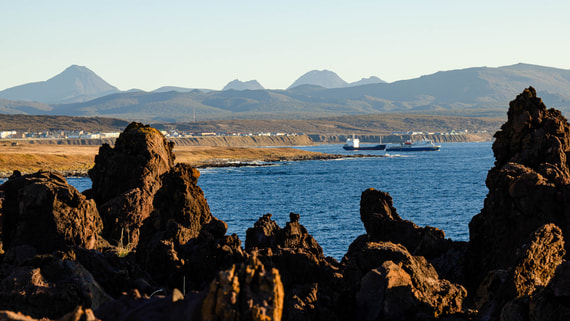
The dispute centers on four islands—Iturup, Kunashir, Shikotan, and the Habomai group—which lie in the chain stretching between Japan’s northern island of Hokkaido and Russia’s Kamchatka Peninsula. Japan refers to these territories as its “Northern Territories” and considers them an inherent part of Japanese soil, while Russia views them as legitimately acquired following the Soviet victory in World War II. The strategic importance of these islands cannot be overstated, as they control access to the Sea of Okhotsk and are surrounded by rich fishing grounds and potentially significant oil and natural gas reserves.
Historical Background and the Origins of the Dispute
The roots of this territorial conflict trace back to the mid-19th century when Japan and Russia first established formal diplomatic relations. The Treaty of Shimoda, signed in 1855, represented the first official border demarcation between the two nations, establishing that Japan controlled the four southernmost islands while Russia maintained sovereignty over the rest of the Kuril chain. This arrangement was later modified by the Treaty of Saint Petersburg in 1875, which gave Japan control over the entire Kuril archipelago in exchange for recognizing Russian sovereignty over Sakhalin Island.
The situation changed dramatically in the waning days of World War II. The Soviet Union, having remained neutral in the Pacific theater for most of the war, declared war on Japan on August 8, 1945, just days before Japan’s surrender. Soviet forces quickly occupied the Kuril Islands and southern Sakhalin, incorporating them into Soviet territory. The 1951 San Francisco Peace Treaty saw Japan renounce claims to the Kuril Islands, but Tokyo has consistently argued that the four disputed islands were never part of the Kurils referenced in that treaty, maintaining they have always been Japanese territory.
Failed Negotiations and Diplomatic Stalemates
Numerous attempts to resolve the dispute have ended in failure over the decades. The 1956 Soviet-Japanese Joint Declaration appeared to offer a breakthrough, with Moscow agreeing to transfer Shikotan and the Habomai islands to Japan upon the conclusion of a peace treaty. However, pressure from the United States during the Cold War, which threatened to retain Okinawa if Japan settled with the Soviets, complicated these negotiations. The declaration was never fully implemented, and the promised peace treaty remains unsigned to this day.
In recent years, Japanese Prime Minister Shinzo Abe made resolving the territorial dispute a priority of his administration, meeting with Putin over two dozen times between 2012 and 2020. Despite initial optimism, including discussions based on the 1956 declaration framework, no substantive progress was achieved. Russia’s strategic calculations, domestic political considerations, and the islands’ military significance—they host Russian military installations including anti-ship missile systems—have all contributed to Moscow’s reluctance to consider territorial concessions.
Current Tensions and Geopolitical Implications
The relationship between Tokyo and Moscow has deteriorated significantly since Russia’s invasion of Ukraine in February 2022. Japan joined Western nations in imposing comprehensive sanctions against Russia, effectively ending any near-term prospects for territorial negotiations. Russia has responded by suspending peace treaty talks and designating Japan as an “unfriendly nation.” Putin’s recent visit to the disputed islands represents a clear assertion of Russian sovereignty and a signal that Moscow has no intention of reconsidering its position.
For Japan, the territorial dispute remains a matter of national pride and historical justice. Successive Japanese governments have maintained that the islands’ return is a prerequisite for normalizing relations with Russia. An estimated 17,000 Japanese civilians were displaced from the islands after the Soviet occupation, and their descendants continue to advocate for the territories’ return. Meanwhile, approximately 20,000 Russian citizens now inhabit the islands, having built communities and livelihoods there over the past seven decades, adding a human dimension to what is already a complex geopolitical puzzle.
Expert Opinion: The Russo-Japanese territorial dispute over the Kuril Islands appears further from resolution than at any point in recent decades. Given the current state of relations following Russia’s Ukraine invasion and Japan’s alignment with Western sanctions, meaningful negotiations are unlikely to resume in the foreseeable future. The dispute will likely remain frozen, serving as a permanent obstacle to normalized bilateral relations and reflecting the broader tensions between Russia and the democratic nations of the Indo-Pacific region.