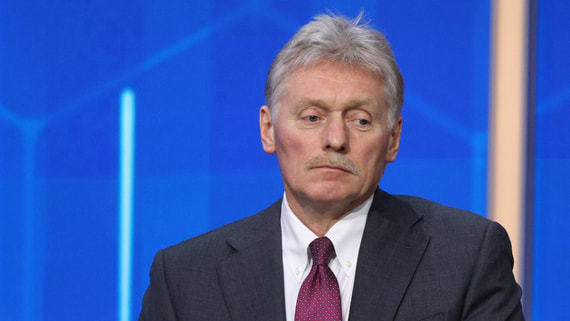
Kremlin spokesperson Dmitry Peskov has delivered a stark message regarding Russia’s military objectives in Ukraine, stating that the threat posed by Kyiv must be “eliminated completely.” The statement, made during a press briefing in Moscow, signals a hardening of Russia’s position as the conflict continues into its fourth year. Peskov specifically pointed to what he described as the constant expansion of the geography of terrorist attacks as justification for Russia’s intensified military stance, reflecting the Kremlin’s increasingly uncompromising rhetoric about the future of the conflict.
Escalating Rhetoric Amid Ongoing Military Operations
The comments from Peskov come at a critical juncture in the Russia-Ukraine conflict, which began with Russia’s full-scale invasion in February 2022. Since then, the war has evolved through multiple phases, from initial attempts to capture Kyiv to the current grinding attritional warfare primarily concentrated in eastern Ukraine. The Kremlin has consistently framed its military operation as a defensive measure, claiming that Ukraine poses an existential threat to Russian security and that NATO expansion represents an unacceptable encroachment on Russia’s sphere of influence.
Peskov’s reference to expanding “terrorist attacks” appears to address recent cross-border incidents and strikes that have occurred within Russian territory. Over the past year, Russia has experienced numerous drone attacks targeting infrastructure, military installations, and even civilian areas in border regions such as Belgorod, Bryansk, and Kursk. Ukrainian forces have also conducted incursions into Russian territory, most notably the surprise offensive into Kursk Oblast in August 2024, which marked the first time since World War II that a foreign military force occupied Russian soil. These developments have significantly altered the dynamics of the conflict and intensified domestic pressure on Russian leadership.
Historical Context and Strategic Implications
The language used by Peskov represents a notable escalation from earlier stated war aims. At the beginning of the invasion, Russian officials spoke of “denazification” and “demilitarization” of Ukraine, terms that were deliberately ambiguous. The shift toward language suggesting complete elimination of threats indicates that Moscow may be moving away from any compromise position. Military analysts suggest this hardened stance could be intended to prepare the Russian public for a prolonged conflict while simultaneously sending a message to Western nations supporting Ukraine.
International observers have expressed concern about the implications of such uncompromising rhetoric. The conflict has already claimed hundreds of thousands of casualties on both sides, displaced millions of Ukrainians, and caused significant economic disruption globally. Western nations, led by the United States and European Union members, have provided substantial military and financial aid to Ukraine, totaling over $200 billion since the war began. The Kremlin has repeatedly warned that such support only prolongs the conflict and increases the ultimate cost in human lives.
Diplomatic Prospects and International Response
The timing of Peskov’s statement is particularly significant given ongoing discussions about potential peace negotiations. Various diplomatic initiatives have been proposed over the past year, including Chinese and Brazilian peace proposals, though none have gained substantial traction. Ukrainian President Volodymyr Zelensky has maintained that any peace agreement must include the restoration of Ukraine’s territorial integrity, including Crimea, which Russia annexed in 2014. The Kremlin’s latest statements suggest Moscow remains far from accepting such conditions, potentially indicating that diplomatic resolution remains distant.
The international community continues to monitor the situation closely, with particular attention to any signals that might indicate either side’s willingness to negotiate. United Nations Secretary-General António Guterres has repeatedly called for de-escalation and humanitarian considerations, while NATO members have reaffirmed their commitment to supporting Ukraine. As winter approaches and fighting conditions change, both military and diplomatic developments in the coming months will be crucial in determining the conflict’s trajectory and any prospects for ending what has become Europe’s largest military confrontation since World War II.
Expert Opinion: The Kremlin’s increasingly absolutist language suggests Moscow is preparing for a prolonged conflict rather than seeking near-term diplomatic solutions. This rhetorical escalation likely serves multiple purposes: consolidating domestic support, testing Western resolve, and establishing maximalist negotiating positions. However, history demonstrates that such uncompromising stances often evolve when military or economic realities shift, making continued international pressure and support for Ukraine essential factors in eventually bringing parties to meaningful negotiations.