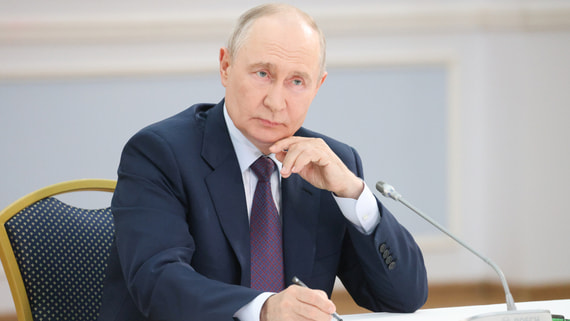
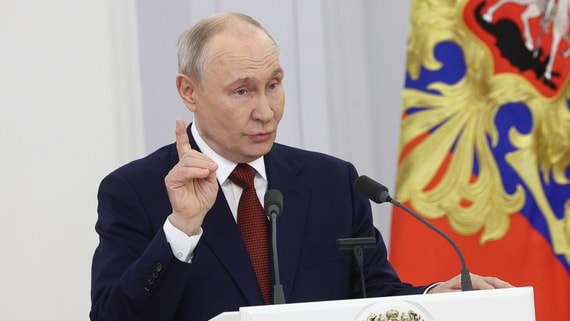
Russian President Vladimir Putin has delivered a sharp rebuke to Ukraine’s latest peace proposals, dismissing them as “exotic and unacceptable” during recent remarks that have drawn significant international attention. The Russian leader employed dramatic classical mythology imagery, claiming that Ukraine has “opened Pandora’s Box” — a reference suggesting that Kyiv’s actions have unleashed irreversible consequences that cannot be contained. These statements come amid ongoing diplomatic efforts by various international mediators attempting to find a path toward ending the conflict that has now stretched well beyond its third year.
Putin’s characterization of Ukrainian proposals as exotic suggests a fundamental disconnect between what Moscow demands and what Kyiv is willing to offer. Throughout the conflict, Russia has maintained several non-negotiable positions, including recognition of annexed territories, Ukraine’s permanent neutrality, and limitations on its military capabilities. Ukraine, backed by Western allies, has consistently rejected these demands as violations of international law and its territorial integrity. The rhetorical escalation indicates that meaningful negotiations remain distant despite various ceasefire discussions that have emerged in recent months.
The Mythology Behind the Message
The Pandora’s Box reference carries significant symbolic weight in Putin’s narrative framing of the conflict. In Greek mythology, Pandora opened a forbidden container that released all evils into the world, leaving only hope trapped inside. By invoking this imagery, Putin appears to suggest that Ukraine’s resistance — or perhaps its Western alignment — has triggered consequences that extend far beyond the immediate battlefield. Russian officials have previously used similar framing to justify military actions as responses to perceived provocations rather than acts of aggression.
This rhetorical strategy aligns with Moscow’s longstanding narrative that NATO expansion and Western interference in Ukraine’s internal affairs left Russia with no choice but to act militarily. Political analysts note that such statements serve dual purposes: reinforcing domestic support for the military campaign while signaling to international audiences that Russia views itself as responding to existential threats rather than pursuing territorial expansion.
International Reactions and Diplomatic Implications
The international community has responded cautiously to Putin’s latest statements, with Western diplomats expressing concern that the hardline rhetoric undermines prospects for meaningful dialogue. European Union officials have reiterated their support for Ukraine’s sovereignty and territorial integrity, while simultaneously acknowledging the need for eventual diplomatic resolution. The United States has maintained its position of supporting Ukraine while remaining open to negotiations that respect international law and Ukraine’s right to determine its own future.
China, which has attempted to position itself as a potential mediator, has called for all parties to exercise restraint and pursue dialogue. However, Beijing’s close relationship with Moscow and its refusal to condemn the invasion have limited its credibility as a neutral broker in the eyes of Western nations and Ukraine itself. Meanwhile, countries in the Global South have expressed varying degrees of concern about the conflict’s impact on global food security, energy prices, and the international rules-based order.
The Path Forward Remains Uncertain
As the conflict continues, both sides appear entrenched in positions that leave little room for compromise. Ukraine has repeatedly stated that any peace agreement must involve full withdrawal of Russian forces and restoration of its internationally recognized borders, including Crimea. Russia, conversely, demands recognition of its territorial gains and guarantees regarding Ukraine’s future military and political alignment. These fundamentally incompatible positions suggest that without significant shifts in the military situation or international pressure, diplomatic breakthrough remains unlikely in the near term. Humanitarian organizations continue to call for immediate ceasefires to address civilian suffering, while military analysts predict continued grinding warfare unless external factors dramatically alter the strategic calculus for either side.
Expert Opinion: Putin’s invocation of Pandora’s Box mythology represents a deliberate escalation in rhetorical framing designed to justify continued military operations while absolving Russia of responsibility for initiating the conflict. This suggests Moscow is preparing domestic and international audiences for a prolonged engagement rather than imminent compromise. The complete dismissal of Ukrainian proposals as “exotic” indicates that meaningful negotiations will likely require either significant battlefield developments or unprecedented international diplomatic pressure to bring both parties to genuine compromise.